


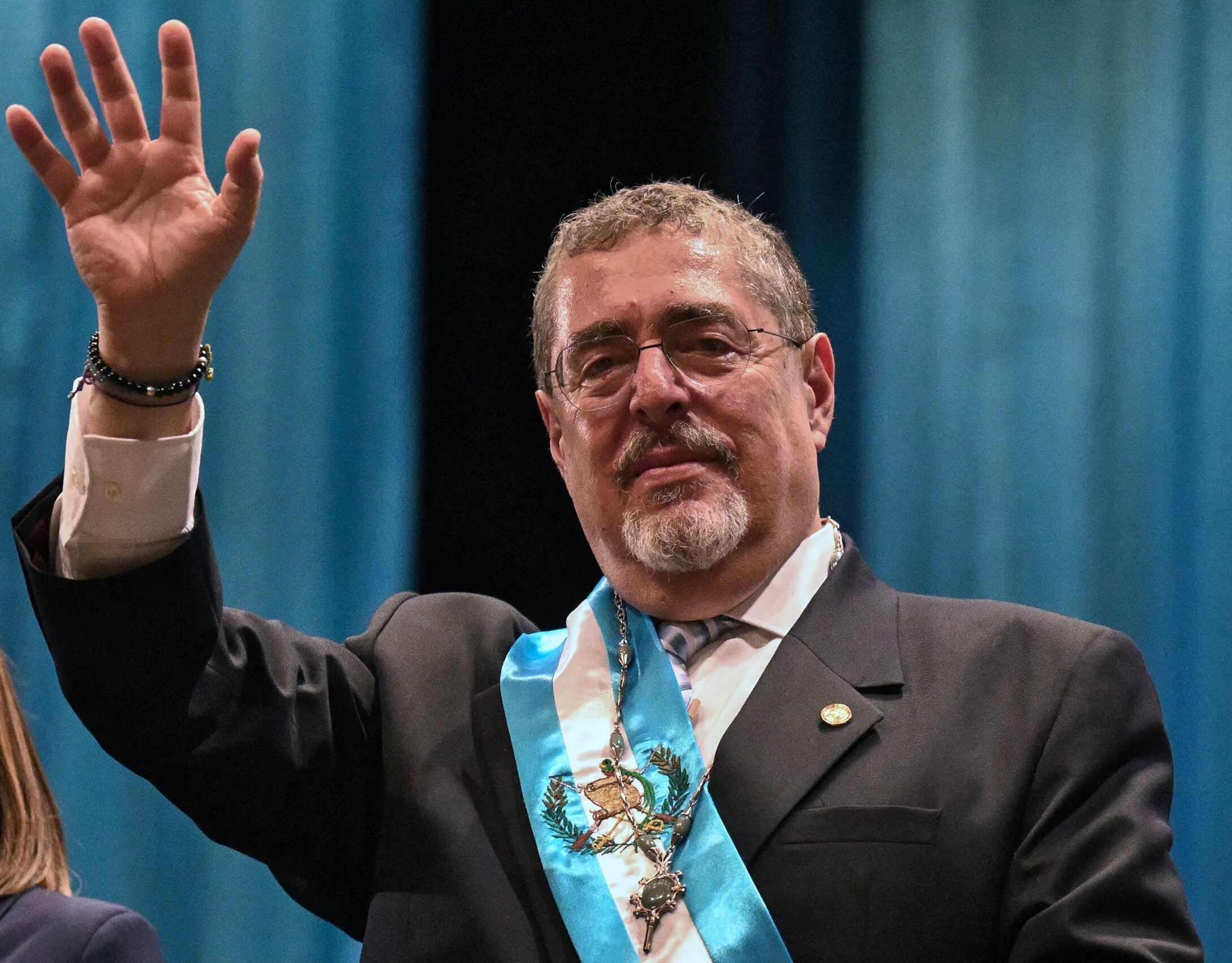
Guatemala's Lesson for a Democratic Retreat in Central America
Translated from Spanish, summarized and contextualized by DistantNews.
At a glance
Analysis
Sources not specified
Context piece
- Guatemalan President Bernardo Arévalo is presented as a model for democratic resurgence in Central America.
- His success is attributed to trusting and using institutional mechanisms, not abandoning them.
- Arévalo assumed the presidency in January 2024 amidst institutional crisis and disputes over election results.
Guatemalan President Bernardo Arévalo offers a lesson for a Central America facing democratic decline, succeeding not by abandoning institutions but by trusting and acting through them. Arévalo took office in January 2024, inheriting an institutional crisis and intense disputes over the election results. His approach is highlighted as a counterpoint to the region's broader democratic backsliding.
The article emphasizes that Arévalo's strategy involved navigating complex political landscapes by adhering to established legal and institutional frameworks. This contrasts with approaches that might seek to circumvent or dismantle existing structures during times of crisis. His presidency is framed as a testament to the resilience of democratic processes when they are upheld and utilized effectively.
For transparency and to foster constructive debate, the commentary section is reserved for subscribers. Comments will display the subscriber's full name and ID number, ensuring accountability and preventing distortions from anonymous or automated sources. This measure aims to maintain the integrity of public discourse surrounding the article's content.
DistantNews Editorial
Originally published by La Nación in Spanish. Translated, summarized, and contextualized by our editorial team with added local perspective. Read our editorial standards.
More Stories


From Our Blog

What Gets Lost (and Found) When News Is Translated

The Critical Role of Diaspora Media in Global News

What Travellers Should Know About Countries with Restricted Press

A Digital Nomad's Guide to Following Local News

How the Same Story Looks Different in Different Countries
