

Guatemala's Volcán de Fuego Erupts in 'Most Intense Phase,' Triggering Evacuations
Translated from German, summarized and contextualized by DistantNews.
At a glance
News
Sources not specified
Ongoing story
- Guatemala's Volcán de Fuego has erupted, entering its "most intense phase" and prompting the highest alert level in three districts.
- Over 1,400 people have been evacuated, with around 29,000 affected by ashfall and volcanic activity.
- The eruption is impacting air travel and has led to school closures, with authorities warning people to stay away from the volcano.
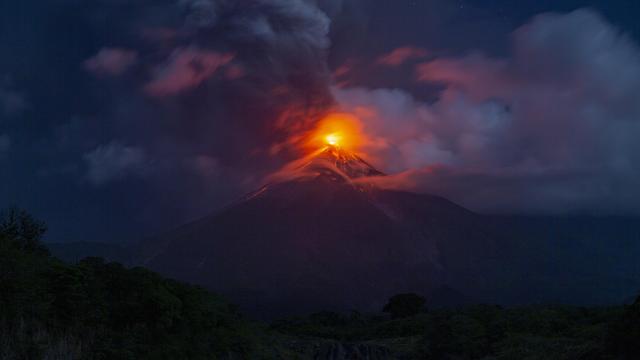
Guatemala's Volcán de Fuego, Central America's most active volcano, has erupted with significant force, entering what authorities describe as its "most intense phase." The eruption, located about 40 kilometers southwest of the capital, Guatemala City, is spewing a column of ash, gas, and lava fragments four to five kilometers into the sky, according to the national disaster agency Conred.
The highest red alert has been declared for three administrative districts, leading to the evacuation of over 1,400 people. Residents are seeking shelter in emergency accommodations, and school classes have been canceled. Conred's director, Claudinne Ogaldes, stated that approximately 29,000 people are affected by the volcanic activity, particularly by ashfall, which is extending about 120 kilometers to the west and northwest.
Authorities have urged the public to avoid the volcano and its southeastern canyons due to the risk of pyroclastic flows – fast-moving currents of hot gas, ash, and rock. The Institute of Seismology, Vulcanology, and Meteorology confirmed the volcano's intense activity and advised precautionary measures for areas within a ten-kilometer radius. Despite a ban on ascending nearby volcanoes, some tourists reportedly attempted to observe Volcán de Fuego from the adjacent Volcán Acatenango, sharing videos on social media before access was restricted.
The Volcán de Fuego is currently in its "most intense phase."
DistantNews Editorial
Originally published by Die Zeit in German. Translated, summarized, and contextualized by our editorial team with added local perspective. Read our editorial standards.
More Stories


From Our Blog

What Gets Lost (and Found) When News Is Translated

How the Same Story Looks Different in Different Countries

The Critical Role of Diaspora Media in Global News

What Travellers Should Know About Countries with Restricted Press

A Digital Nomad's Guide to Following Local News
