


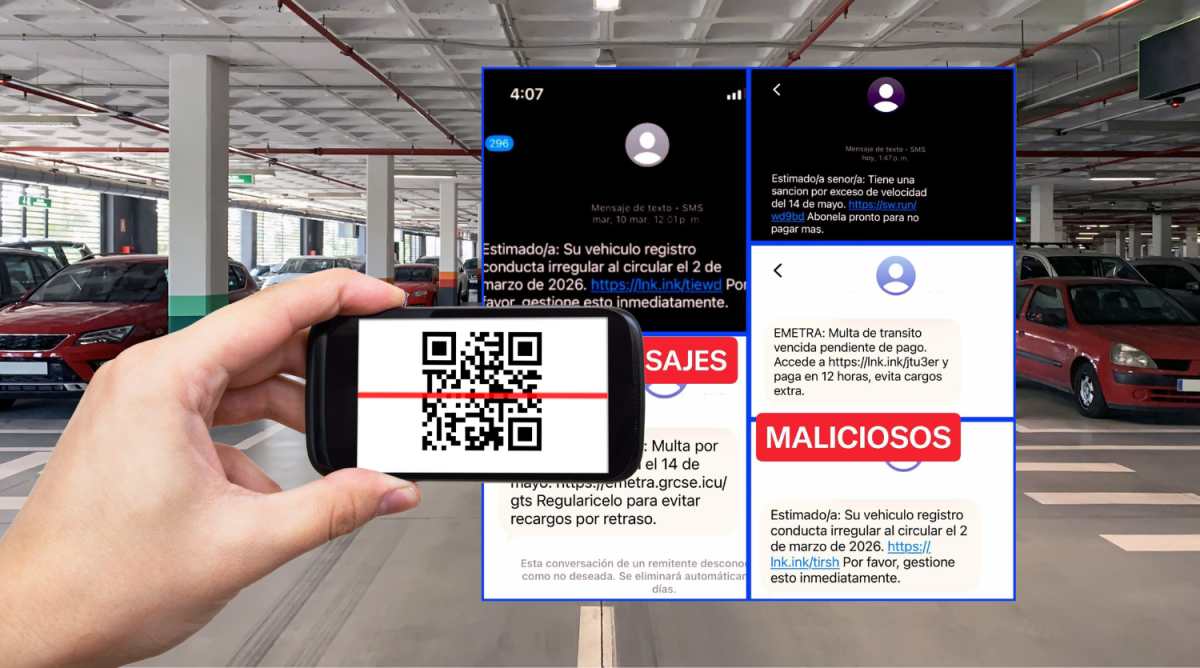
Guatemala Traffic Police Warn of QR Code Scam Targeting Drivers
Translated from Spanish, summarized and contextualized by DistantNews.
At a glance
News
Named sources
Ongoing story
- Guatemalan traffic police warn of a scam using QR codes and fake traffic fine notifications to steal personal data.
- Scammers direct victims to fake websites via links or QR codes, requesting sensitive financial and personal information.
- The police emphasize they do not send such notifications and advise citizens to block suspicious numbers, noting at least one person has already been defrauded.
The Municipal Transit Police (PMT) of Guatemala has issued a stern warning regarding a sophisticated scam targeting drivers. Cybercriminals are increasingly using fraudulent text messages, emails, and now QR codes, impersonating official traffic fine notifications to deceive unsuspecting motorists.
The largest number of complaints we receive is about these five phone numbers, which we have made public so people can copy, identify, and block them.
These malicious actors employ deceptive links and QR codes that lead victims to counterfeit websites. Once there, individuals are prompted to divulge sensitive personal and financial information, posing a significant risk to bank accounts, mobile devices, and digital identities. Amílcar Montejo, a spokesperson for the PMT, highlighted the urgency of the situation, stating, "The largest number of complaints we receive is about these five phone numbers, which we have made public so people can copy, identify, and block them."
Montejo explained that the fraudulent messages typically claim drivers have outstanding traffic violations requiring immediate payment. The included links appear legitimate but direct users to fake portals designed to mimic official government sites. "It happens that they send you an electronic connection or a link, and in this way, when you enter, it starts asking for sensitive data such as name, DPI, and in some cases, credit cards," he indicated.
It happens that they send you an electronic connection or a link, and in this way, when you enter, it starts asking for sensitive data such as name, DPI, and in some cases, credit cards.
This digital fraud, known internationally as "smishing" when conducted via text messages, relies on creating a sense of urgency. The PMT stressed that they never issue such notifications through unknown numbers or links. "It is fraudulent because we, as an institution, have not sent any notifications. We do not know who these numbers belong to," Montejo affirmed. He confirmed that at least one individual has already fallen victim, with reports suggesting their bank account was compromised after submitting their data. Some users have also reported unusual device behavior, including app freezes and even phone resets, after interacting with the malicious links.
It is fraudulent because we, as an institution, have not sent any notifications. We do not know who these numbers belong to.
DistantNews Editorial
Originally published by Prensa Libre in Spanish. Translated, summarized, and contextualized by our editorial team with added local perspective. Read our editorial standards.
More Stories


From Our Blog

What Gets Lost (and Found) When News Is Translated

The Critical Role of Diaspora Media in Global News

What Travellers Should Know About Countries with Restricted Press

A Digital Nomad's Guide to Following Local News

How the Same Story Looks Different in Different Countries
