


Guatemala Transit Police Expand Alert on Digital Scams Using WhatsApp and Email
Translated from Spanish, summarized and contextualized by DistantNews.
At a glance
News
Named sources
Ongoing story
- Guatemala's Municipal Transit Police (PMT) has issued an expanded alert regarding digital scams impersonating traffic fines.
- Scammers are now using WhatsApp and email, in addition to text messages, to reach victims.
- The PMT has identified approximately 40 phone numbers linked to these scams and received around 150 complaints.
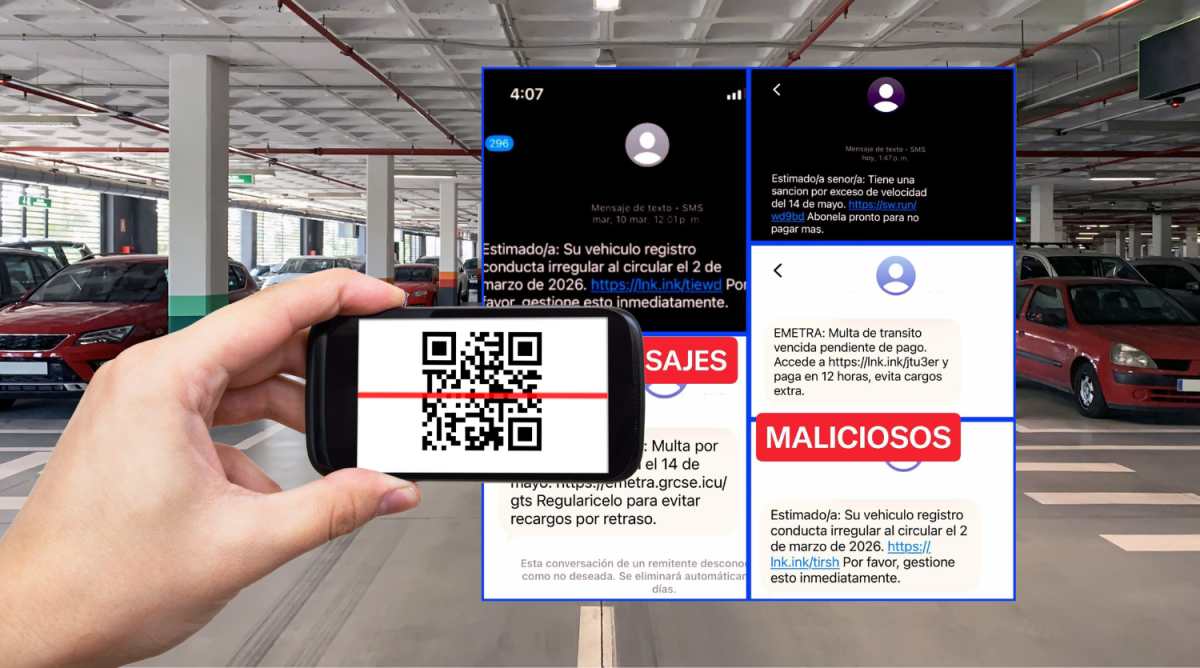
Guatemala City – The Municipal Transit Police (PMT) has broadened its warning about a surge in digital scams that mimic official traffic fine notifications. While text messages remain a primary method, fraudsters have expanded their reach to include emails and the popular messaging app WhatsApp, increasing the potential victims.
The PMT reports a significant rise in fraudulent messages, with authorities identifying around 40 phone numbers associated with these scams. Citizens have filed approximately 150 complaints, reporting attempts to deceive them or direct contact from these scam operations. These complaints have been forwarded to the Public Ministry for investigation.
Yes, text messages are on the rise. Now on social media, we have captured about 40 numbers through notices or alerts and about 150 complaints.
Amílcar Montejo, a spokesperson for the PMT, confirmed the increasing volume of text messages and noted the identification of new numbers through public alerts. The scam typically involves sending messages with malicious links that lead to fake websites. These sites are designed to steal personal and financial information, potentially compromising bank accounts or mobile devices.
Authorities explain that these scams, often referred to as 'smishing' when conducted via SMS, aim to create a sense of urgency by presenting fabricated fines or sanctions. Users who click the links are directed to deceptive portals that closely resemble official government platforms. In some instances, fraudulent QR codes have also been found, a technique known as 'quishing'. The PMT stresses that they never send fine notifications via unknown numbers or request sensitive data through such channels. They have confirmed at least one case where a victim's bank account may have been compromised after entering details on a fraudulent site, and some users have reported device malfunctions after clicking links, suggesting possible malware.
Our basic recommendation is that they do not enter these links, much less comply with the data requirements.
DistantNews Editorial
Originally published by Prensa Libre in Spanish. Translated, summarized, and contextualized by our editorial team with added local perspective. Read our editorial standards.
More Stories



From Our Blog

What Gets Lost (and Found) When News Is Translated

The Critical Role of Diaspora Media in Global News

What Travellers Should Know About Countries with Restricted Press

A Digital Nomad's Guide to Following Local News

How the Same Story Looks Different in Different Countries
