


Guatemalan Dogs to Secure Mexican Borders for FIFA World Cup 2026
Translated from Spanish and summarized by DistantNews. Read the original for the full story.
At a glance
News
Named sources
New plan
- Four Guatemalan canine units will assist Mexico with sanitary security for the FIFA World Cup 2026.
- These specialized dogs will inspect airports and borders to detect agricultural products that pose health risks.
- The initiative is part of a regional effort coordinated by OIRSA to strengthen sanitary controls during the event.
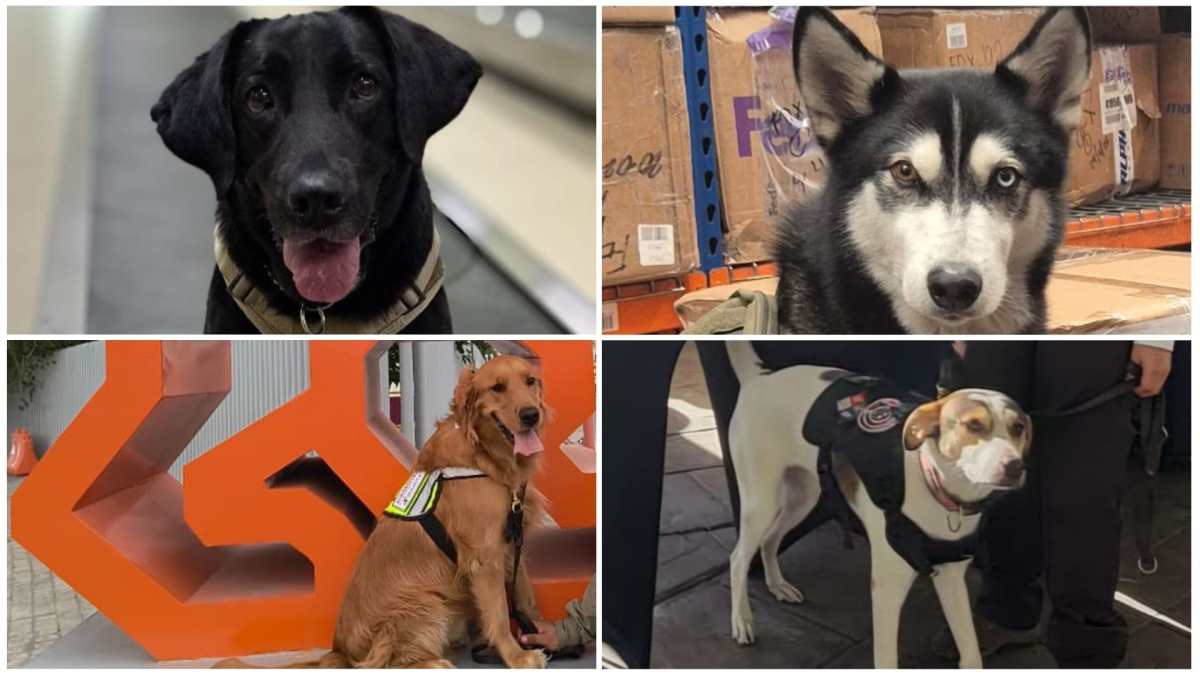
Guatemala is sending four specialized canine units to Mexico to bolster sanitary security for the FIFA World Cup 2026. The dogs, named Elvis, Seth, Yeya, and Baki, along with their handlers, will be deployed at airports, borders, and other strategic points to inspect for agricultural products that could pose health risks.
The dogs Elvis, Seth, Yeya and Baki, along with their guides, will support inspection work at airports, borders and strategic points in anticipation of the arrival of millions of international visitors.
These teams are part of a larger regional contingent of 18 canine units from Central America and the Caribbean, coordinated by the Regional International Organization for Agricultural Health (OIRSA). The goal is to enhance sanitary controls during the major international sporting event, preventing the entry of pests and diseases that could impact Mexico's agriculture and livestock sectors.
Elvis, a 3-year-old dog trained in Mexico, will focus on detecting quarantine products or those of sanitary interest, such as fruits, vegetables, meat products, seeds, plants, and soil in luggage or cargo. Seth, 8, also trained in Mexico, and Yeya, 5, trained in Mexico, are guided by veterinarians Jenifer Ponce and Sindy Cardona, respectively. Baki, 8, trained in Panama, is guided by engineer Adonias Orozco.
The Guatemalan representatives are: Seth, 8 years old, trained in Mexico. His guide is veterinarian Jenifer Ponce. Elvis, 3 years old, trained in Mexico. His guide is engineer Alejandro Rosales. Yeya, 5 years old, trained in Mexico. Her guide is veterinarian Sindy Cardona. Baki, 8 years old, trained in Panama. His guide is engineer Adonias Orozco.
The canine units will be stationed in inspection offices in Tamaulipas, Quintana Roo, and Nuevo León. Their work is considered crucial for preventing the introduction of risks given the expected influx of millions of tourists for the World Cup. Mexican authorities have expressed gratitude to OIRSA and the contributing countries for this strategic biosecurity operation.
the dog is trained to detect fruits, vegetables, meat products, seeds, plants and soil transported in luggage or merchandise.
About this summary
Originally published by Prensa Libre in Spanish. Translated, summarized, and contextualized automatically by DistantNews, with a note on how the source frames the story. Not individually reviewed before publishing. How this works.
More Stories


From Our Blog

What Gets Lost (and Found) When News Is Translated

The Critical Role of Diaspora Media in Global News

What Travellers Should Know About Countries with Restricted Press

A Digital Nomad's Guide to Following Local News

How the Same Story Looks Different in Different Countries
