

Guatemalan Lawmakers Grill Energy Officials Over Bills, Blackouts, and Permits
Translated from Spanish, summarized and contextualized by DistantNews.
At a glance
News
Named sources
Context piece
- Guatemalan lawmakers questioned energy authorities about rising electricity bills and poor service.
- Officials cited the need for municipal permits for infrastructure projects to expand the power grid.
- Citizens complain about frequent blackouts and bureaucratic complaint processes.
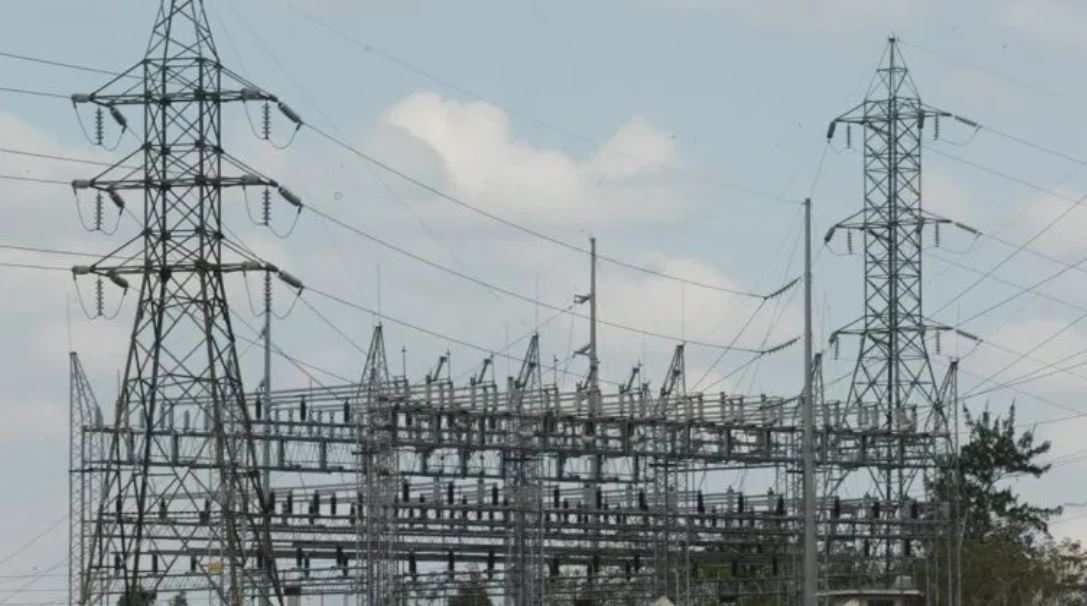
Members of the Cabal party in Guatemala's Congress summoned officials from the National Electric Energy Commission (CNEE) and the National Electrification Institute (INDE) to address concerns over increased electricity bills and service quality. Lawmakers pressed the officials on reports of poor service and inadequate user support.
CNEE President Luis Ortiz acknowledged that deficient electricity service has been identified in many parts of the country. However, he and other officials emphasized the necessity of obtaining municipal permits and licenses for constructing new infrastructure to expand the transmission network and reach more areas. They also highlighted the need for the urgent approval of an infrastructure law for the sector.
Deputies, joined by several mayors, also raised issues regarding frequent power outages in various municipalities. They criticized the complaint procedures as bureaucratic, noting that users often receive no response or solutions. Some deputies expressed frustration with a WhatsApp number provided by CNEE officials, which they claimed required prior complaints to distributors without yielding results.
Yes, we have identified it in many places in the country.
Jorge Arauz, another CNEE director, explained that current legislation mandates complaints be filed with distribution companies first. If users are unsatisfied, they can escalate the issue to the CNEE. Ortiz added that in 2025, the CNEE received 283 complaints, resolving 85% of them. He also noted that different instances handle complaints depending on the case type.
Regarding billing increases, Ortiz explained the components of the electricity tariff: 33% for distribution, 6% for transport, 9% for system losses, and 51% for generation. He also pointed out that bills include public lighting charges collected by distributors on behalf of municipalities. Ortiz stated that municipalities have begun including costs for other services, such as water pumping and market lighting, within these public lighting fees.
The legislation and regulation establish that the complaint is filed with the distribution companies, which are obliged to respond. If the customer is not satisfied, they can elevate the complaint to this commission.
DistantNews Editorial
Originally published by Prensa Libre in Spanish. Translated, summarized, and contextualized by our editorial team with added local perspective. Read our editorial standards.
More Stories

From Our Blog

What Gets Lost (and Found) When News Is Translated

The Critical Role of Diaspora Media in Global News

What Travellers Should Know About Countries with Restricted Press

A Digital Nomad's Guide to Following Local News

How the Same Story Looks Different in Different Countries
