


Guatemalan Producers Seek Alternatives Amid Soaring Fertilizer Costs
Translated from Spanish, summarized and contextualized by DistantNews.
At a glance
News
Sources not specified
Context piece
- Guatemalan farmers are seeking alternatives to imported fertilizers due to rising costs driven by geopolitical conflicts.
- Organic fertilizers from agricultural waste and animal manure are being explored, though they cannot fully replace imported options.
- A regional survey indicates significant cost pressures on producers, with fertilizers being the top contributing factor to increased expenses.
Guatemalan farmers are actively seeking alternatives to imported fertilizers as prices surge due to political conflicts in major producing nations. This reliance on foreign inputs has prompted a search for sustainable solutions to maintain crop productivity.
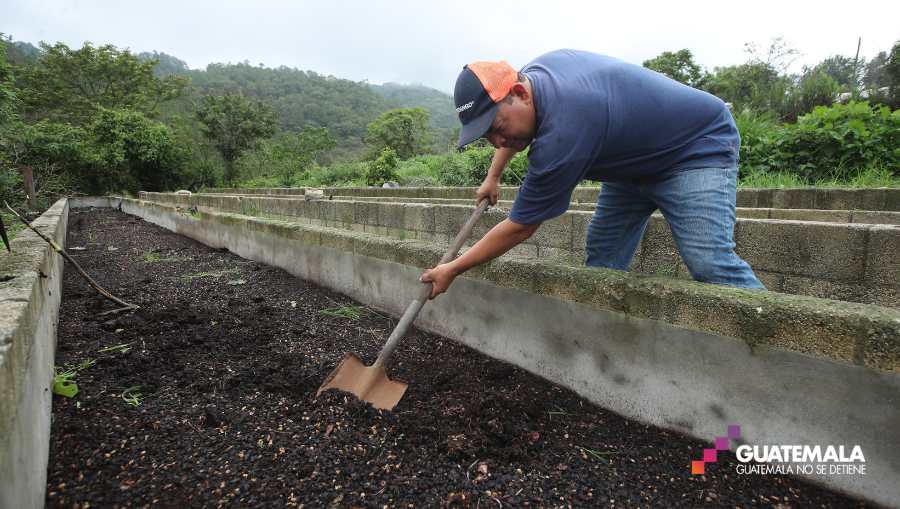
One explored option involves creating organic fertilizers from agricultural waste, such as coffee pulp, fruits, and vegetables, combined with animal manure. While these natural alternatives can be used in various agricultural stages, they do not offer a complete substitute for imported fertilizers. The rising cost of these essential inputs remains a primary concern for the agricultural sector.
A regional survey by the Federation of Chambers of Agriculture (Fedeagro) across six Central American countries and the Dominican Republic reveals mounting cost pressures. Producers and agricultural companies report increasing strain on their operational expenses. The report highlights that fertilizer costs are no longer a localized issue but a regional challenge affecting the entire agricultural industry.
The pressure on costs no longer affects a single crop or activity; it is a regional challenge for the entire agricultural sector. When producers reduce or delay the purchase of fertilizers, the risk of direct impacts on production and productivity increases.
According to the survey, 82% of producers reported significant increases in their agricultural production costs. Fertilizers emerged as the leading factor, accounting for 23% of the increase, followed closely by fuel (21%), labor (14%), other inputs (11%), and transportation (10%). These rising costs are directly influencing production decisions, with 62% of respondents stating the situation significantly impacts their agricultural planning.
Only 25% of those surveyed managed to purchase all the fertilizers they needed, while 51% bought only a portion, and 58% did not make advance purchases. Román Molina, executive director of Agrequima, described the current scenario as marked by uncertainty, emphasizing Guatemala's dependence on imports and the disruption of the fertilizer supply chain due to geopolitical events.
We are a country dependent on imports. The geopolitical situation has caused a total disruption in the fertilizer supply chain.
DistantNews Editorial
Originally published by Prensa Libre in Spanish. Translated, summarized, and contextualized by our editorial team with added local perspective. Read our editorial standards.
More Stories



From Our Blog

What Gets Lost (and Found) When News Is Translated

The Critical Role of Diaspora Media in Global News

What Travellers Should Know About Countries with Restricted Press

A Digital Nomad's Guide to Following Local News

How the Same Story Looks Different in Different Countries
