

Gwangmyeong City delegation embarks on Eurasia rail project journey
Translated from Korean and summarized by DistantNews. Read the original for the full story.
At a glance
News
Sources not specified
Context piece
- Gwangmyeong City is pursuing a 'Eurasia Peace Railway' project to link its KTX station to the Trans-Siberian Railway.
- A delegation, led by Mayor Park Seung-won, is on an 8-day trip to Mongolia and Russia to assess the feasibility of this rail connection.
- The project aims to expand international cooperation beyond transportation to culture, youth, and environmental sectors.
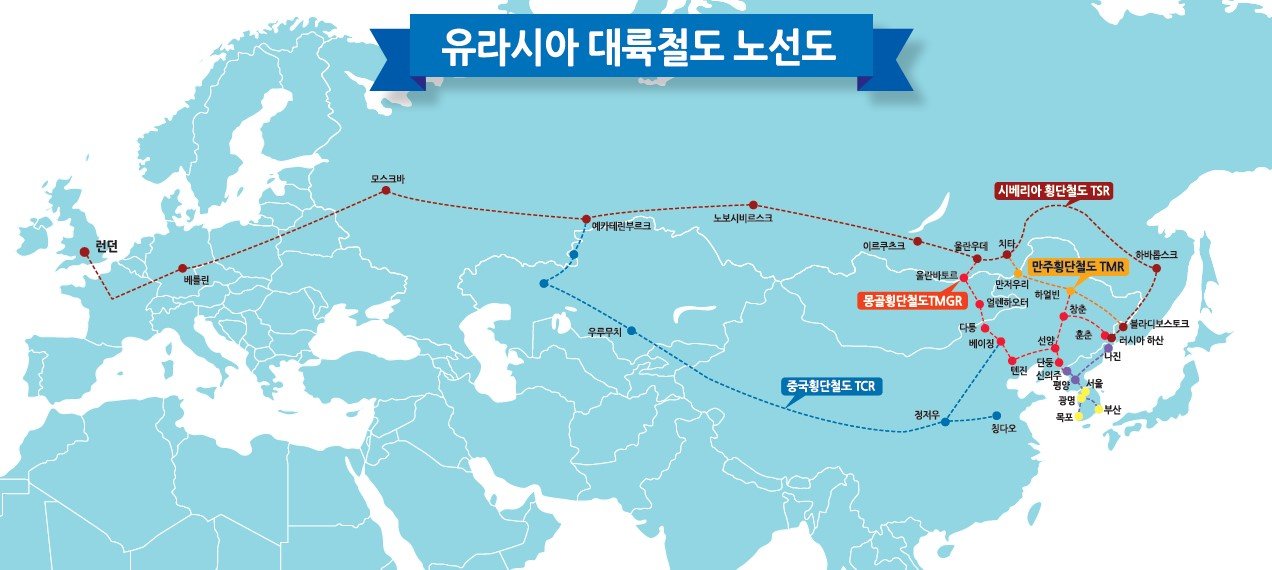
Gwangmyeong City is spearheading an ambitious project to transform its KTX station into a pivotal hub for continental travel, envisioning a 'Eurasia Peace Railway' that connects South Korea to Europe via North Korea and Russia's Trans-Siberian Railway.
Mayor Park Seung-won is leading a delegation of over 30 individuals, including citizens, youth representatives, and experts, on a week-long expedition to Mongolia and Russia. The group embarked on their journey after a send-off ceremony at Gwangmyeong Station, with the primary objective of physically assessing the potential for linking Gwangmyeong to the vast Eurasian rail network.
If Gwangmyeong Station becomes a departure point for Eurasia, not just a KTX station near Seoul, it will change not only Gwangmyeong's status but also South Korea's railway map. Rather than asking if it's possible now, it's more important to be prepared for when it becomes possible in the future.
The initiative is not solely focused on transportation infrastructure. Gwangmyeong City aims to foster broader international cooperation in areas such as culture, youth exchange, and environmental initiatives, laying the groundwork for human and urban connections even before the rail lines are physically established. The project seeks to leverage historical connections, beginning their journey with a visit to the memorial park of Lee Tae-joon, a Korean independence activist who worked in Mongolia a century ago.
It felt meaningful that the first destination of the expedition departing from Gwangmyeong was the Lee Tae-joon Memorial Hall. In the past, people took this path for national independence; today, we visit for peace and exchange.
Mayor Park emphasized the transformative potential of the project, stating, "If Gwangmyeong Station becomes a departure point for Eurasia, not just a KTX station near Seoul, it will change not only Gwangmyeong's status but also South Korea's railway map." He added, "Rather than asking if it's possible now, it's more important to be prepared for when it becomes possible in the future."
The delegation's itinerary includes exploring historical sites related to Korean independence movements and examining the existing rail infrastructure. This journey represents a significant step in Gwangmyeong's vision to become a gateway connecting the Korean Peninsula with the Eurasian continent, fostering peace and international exchange.
Lee Tae-joon saved people as a doctor in a foreign land and devoted his life to the independence of his country. Following the path he walked, we want to reflect on how the peace we enjoy today was created and find ways to pass on today's peace to tomorrow.
About this summary
Originally published by Dong-A Ilbo in Korean. Translated, summarized, and contextualized automatically by DistantNews, with a note on how the source frames the story. Not individually reviewed before publishing. How this works.
More Stories


From Our Blog

What Gets Lost (and Found) When News Is Translated

The Critical Role of Diaspora Media in Global News

What Travellers Should Know About Countries with Restricted Press

A Digital Nomad's Guide to Following Local News

How the Same Story Looks Different in Different Countries
