


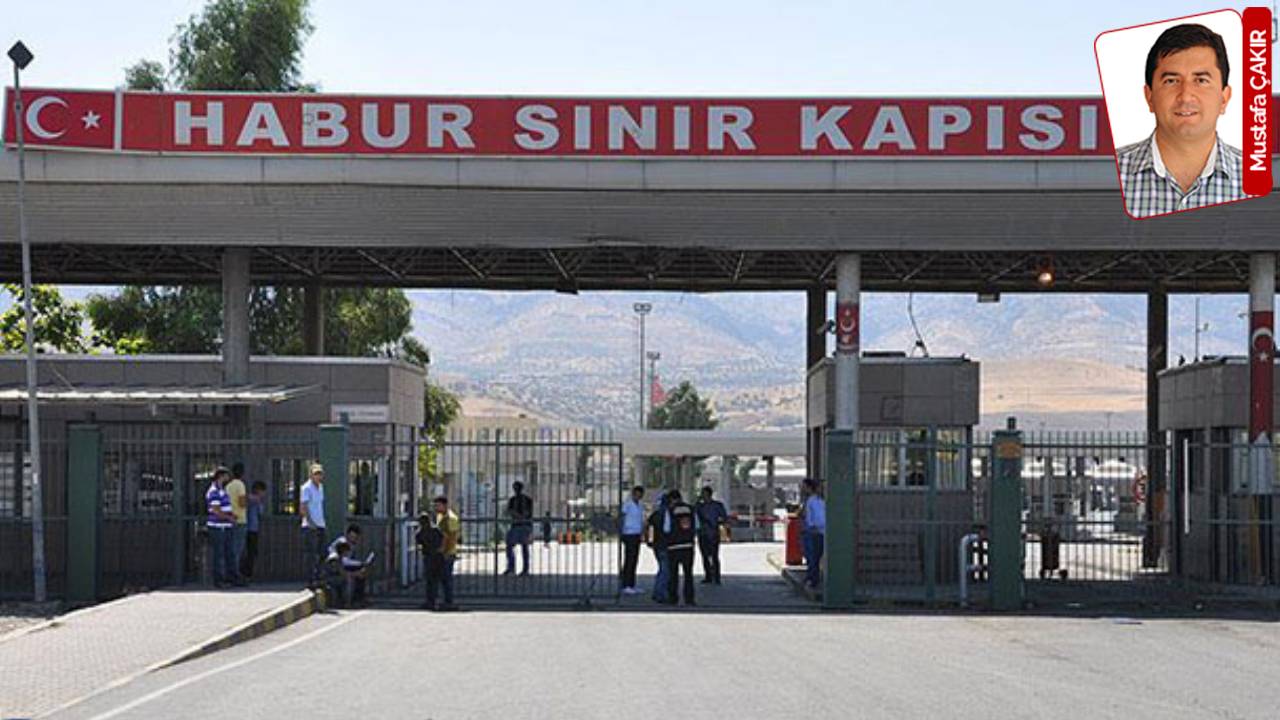
Habur Border Crossing Delays Hit Trade, Exporters Face Double Tax
Translated from Turkish, summarized and contextualized by DistantNews.
At a glance
News
Official statement
Context piece
- Turkey's Habur border crossing faces significant delays due to Iraqi customs procedures, impacting trade and increasing wait times for vehicles.
- In 2026, daily traffic through Habur is expected to exceed 4,000 vehicles, with wait times averaging 5.6 hours for entry and 1.5 hours for exit.
- Despite ongoing diplomatic efforts, Iraq's central government has not withdrawn its customs regulations, leading to double taxation on Turkish exports and a preference for alternative routes by transporters.
Turkish exporters are facing significant challenges at the Habur border crossing, with delays and double taxation impacting trade with Iraq. CHP Gaziantep Deputy Melih Meriç has raised these issues in parliament, seeking answers from Trade Minister Ömer Bolat.
The Ministry's response reveals substantial wait times at the Habur Customs Gate. In 2026, vehicles can expect an average of 5.6 hours for entry into Turkey and 1.5 hours for exit. Daily traffic is projected to reach around 4,000 vehicles, carrying over 8,000 passengers. The ministry attributes these delays to Iraq's Ibrahim Khalil Gate's processing and control procedures, documentation deficiencies, and other institutional checks.
Further complicating matters, Iraq's central government implemented the ASYCUDA system for customs revenue tracking on December 1, 2025. While other Iraqi border crossings have used this system since 2024, the Kurdistan Regional Government (KRG) has not adopted it at the Ibrahim Khalil Gate. This has resulted in Turkish transporters facing taxes imposed by the KRG, in addition to those collected by the central Iraqi government at the Musul Dam checkpoint.
Despite continuous diplomatic engagement through various channels, including the Turkish Embassy and Trade Attaché in Baghdad, Iraq's central government has not altered its stance. Instead, it is pressuring the KRG to implement the ASYCUDA system. The central government has also requested that Turkish transport operations be rerouted, a proposal largely rejected by transporters due to security and other concerns. The Turkish Ministry of Trade has stated that its efforts to resolve the issue will continue.
DistantNews Editorial
Originally published by Cumhuriyet in Turkish. Translated, summarized, and contextualized by our editorial team with added local perspective. Read our editorial standards.
More Stories



From Our Blog

What Gets Lost (and Found) When News Is Translated

The Critical Role of Diaspora Media in Global News

What Travellers Should Know About Countries with Restricted Press

A Digital Nomad's Guide to Following Local News

How the Same Story Looks Different in Different Countries
