

Hanoi project supports transition from dog and cat meat trade
Translated from Vietnamese, summarized and contextualized by DistantNews.
At a glance
News
Named sources
New plan
- Hanoi is implementing a project to support households transitioning away from the dog and cat meat trade, aiming for sustainable economic development and rabies prevention.
- Several families, like Nguyen Thi Thu Phuong and Nguyen Van Hung, have voluntarily ceased operations, citing family wishes and project guidance on civilized living standards and rabies risks.
- The project, a collaboration between local authorities and international organizations, offers training in new business skills, including online sales and other trades, to ensure stable livelihoods for those who switch.
Hanoi is actively working to support families transitioning away from the dog and cat meat trade through a new project focused on sustainable livelihoods and rabies prevention. This initiative, approved by the Hanoi People's Committee in July 2025, aims to gradually shift businesses away from selling dog and cat meat in several districts.
The biggest reason is that my children do not want their parents to continue the slaughtering business long-term. Project officials and the ward also regularly meet with us, advocate for civilized living standards, and commit to accompanying the family, so we hope to switch to something more stable soon.
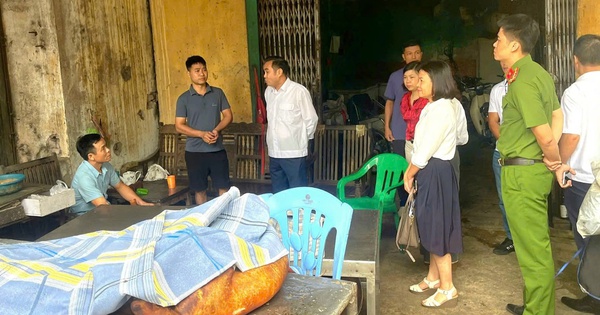
After nearly a decade in the business, Nguyen Thi Thu Phuong, 43, from Tay Mo ward, recently closed her dog and cat meat stall. She explained that her five children did not want their parents to continue in the slaughtering business. Project officials and ward authorities have engaged with families, advocating for civilized living standards and offering support for transitioning to new livelihoods. Phuong hopes for more concrete assistance to secure a stable income.
Similarly, Nguyen Van Hung, 55, also from Tay Mo ward, who spent over a decade in the trade, stopped his business more than a month ago. Initially motivated by the steady income the business provided, he was swayed by project consultants who highlighted the risks associated with rabies. His family fully supports his decision. Hung has since invested in eight billiard tables for an entertainment service business and is using social media platforms like Facebook and TikTok for promotion.
This business helped the family have savings. But when project officials advised about the risk of rabies, it made me change my mind.
The project, a joint effort by the Hanoi Department of Agriculture and Rural Development, the Soi Dog Foundation, and SBCC Vietnam, has surveyed 113 dog and cat meat businesses and 68 pet service establishments. So far, eight businesses have voluntarily closed, and 25 households are participating in livelihood transition programs. The initiative includes training sessions on business skills and e-commerce to help these families adapt to new economic models and ensure their long-term stability.
The training program organized is designed to be intuitive and...
DistantNews Editorial
Originally published by Thanh Niên in Vietnamese. Translated, summarized, and contextualized by our editorial team with added local perspective. Read our editorial standards.
More Stories



From Our Blog

What Gets Lost (and Found) When News Is Translated

The Critical Role of Diaspora Media in Global News

What Travellers Should Know About Countries with Restricted Press

A Digital Nomad's Guide to Following Local News

How the Same Story Looks Different in Different Countries
