


Hanoi Reports Japanese Encephalitis Case; Doctors Urge Vaccination and Mosquito Prevention
Translated from Vietnamese, summarized and contextualized by DistantNews.
At a glance
News
Named sources
Context piece
- Hanoi has recorded a case of Japanese encephalitis in a 13-year-old patient in Quoc Oai district.
- This is the first case in Hanoi this year, with no deaths reported, an increase from zero cases in the same period last year.
- Doctors warn that Japanese encephalitis is a dangerous infectious disease, especially for children, with a high mortality and sequelae rate, emphasizing the importance of vaccination and mosquito bite prevention.
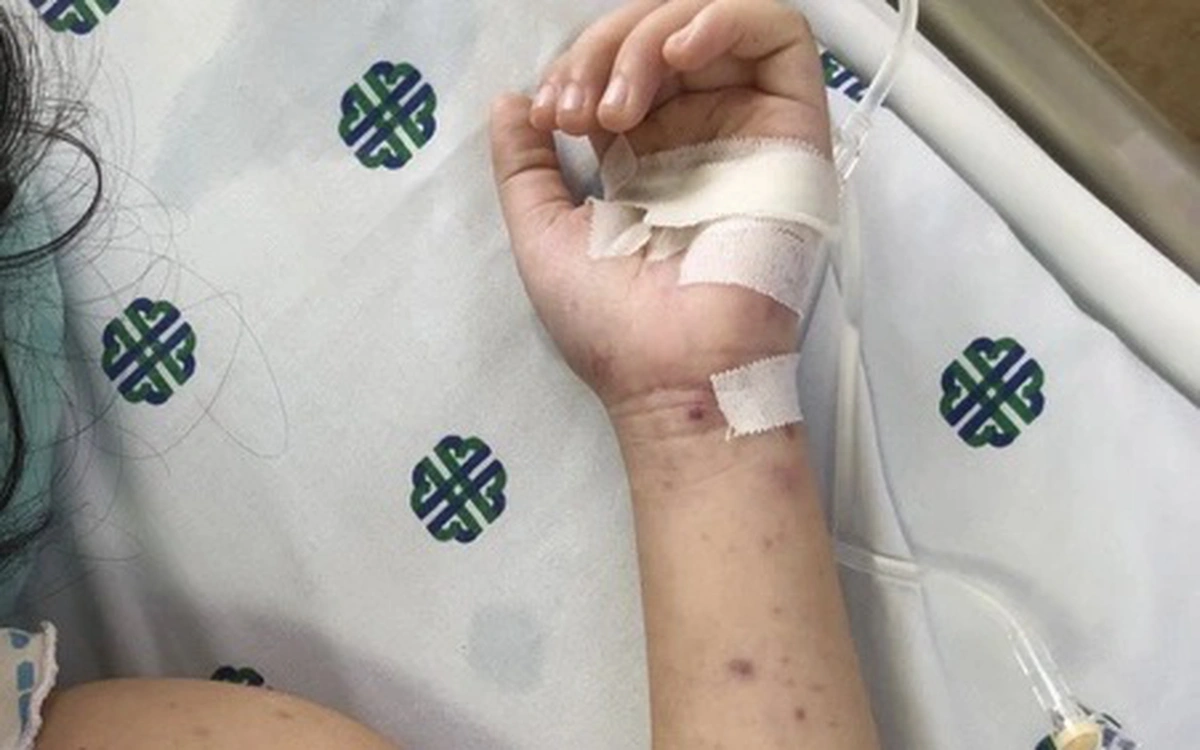
Hanoi has reported a case of Japanese encephalitis in a 13-year-old boy from Hung Dao commune, Quoc Oai district. This marks the first case recorded in the capital this year, though no deaths have occurred. The number of cases has increased compared to the same period in 2025, when no cases were reported.
The patient was diagnosed about a week ago and is currently receiving intensive treatment. Notably, the child had completed the basic vaccination schedule but had not received the booster shot as recommended. Doctors explain that Japanese encephalitis is an acute infectious disease caused by a virus transmitted through mosquitoes, typically appearing in summer when mosquito populations surge. Children are the most vulnerable group.
The disease poses a significant concern because its initial symptoms often resemble common flu or viral fever, such as high fever, headache, nausea, and fatigue. However, the virus can rapidly attack the central nervous system, leading to encephalitis, brain swelling, seizures, consciousness disorders, coma, and multi-organ failure.
Đáng chú ý, dù đã hoàn thành 3 mũi vắc xin cơ bản, trẻ chưa được tiêm mũi nhắc lại theo khuyến cáo.
According to the World Health Organization (WHO), most infections are asymptomatic, but one in 250 cases progresses to severe illness. If the virus affects the central nervous system, the disease can rapidly progress, causing acute encephalitis, respiratory failure, or irreversible brain damage. The mortality rate can reach 30%, and nearly half of the survivors suffer long-term neurological consequences like epilepsy, motor disorders, memory loss, or disability.
In Vietnam, before the vaccine's introduction, thousands of cases were reported annually. The expanded vaccination program has drastically reduced cases, but sporadic occurrences still happen among those who are not fully vaccinated or miss booster shots. Experts stress that this "immunity gap" leaves children vulnerable even after initial vaccination. Dr. Nguyen Tuan Hai, a preventive medicine expert, stated that the most effective prevention method remains increasing vaccine coverage. Full vaccination builds immunity against the virus, preventing severe illness and death. Alongside vaccination, personal protection against mosquito bites, such as sleeping under a net and maintaining environmental hygiene to eliminate mosquito breeding sites, is crucial, especially during the peak season from May to September.
Theo bác sĩ Nguyễn Tuấn Hải, chuyên gia trong lĩnh vực y tế dự phòng, hiện biện pháp hiệu quả nhất để phòng ngừa viêm não Nhật Bản vẫn là tăng tỉ lệ bao phủ vắc xin phòng bệnh.
DistantNews Editorial
Originally published by Tuổi Trẻ in Vietnamese. Translated, summarized, and contextualized by our editorial team with added local perspective. Read our editorial standards.
More Stories



From Our Blog

What Gets Lost (and Found) When News Is Translated

The Critical Role of Diaspora Media in Global News

What Travellers Should Know About Countries with Restricted Press

A Digital Nomad's Guide to Following Local News

How the Same Story Looks Different in Different Countries
