

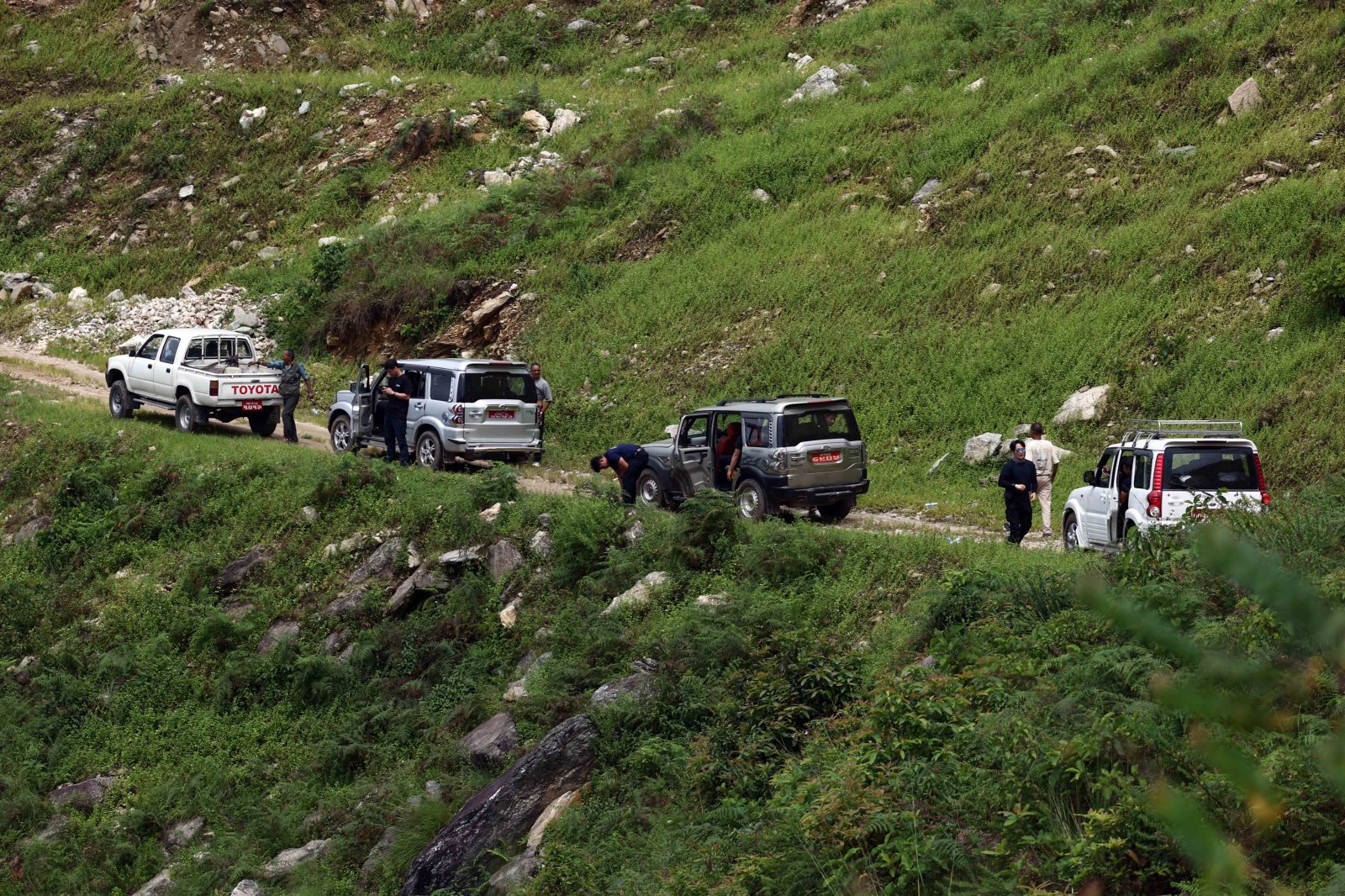

Having lost schools and friends, Nepal’s children learn the sorrow of survival
Translated from Korean and summarized by DistantNews. Read the original for the full story.
At a glance
News
Named sources
Ongoing story
- Floods and landslides affected about 65,000 people in five Nepali districts, including 22,100 children, while schools and medical facilities suffered extensive damage.
- Aid officials report that children have died, gone missing or become separated from their parents, with overcrowded shelters lacking adequate water, sanitation and medical care.
- International aid groups are providing food, safe spaces, temporary classrooms and mental-health support, but officials say assistance must continue through school reconstruction.
“After seeing four of her closest friends swept away by the flood, she said she could not sleep,” Ayushi Joshi of Save the Children Nepal told the Hankyoreh. The girl had also been separated from her parents and other family members. She did not cry, Joshi said, but sadness filled her eyes.
The account came from a temporary shelter in Nuwakot, one of the areas worst hit by Nepal’s floods. Another child had gone several days at the facility without changing clothes. Joshi, who also survived Nepal’s 2015 earthquake, described the disaster as more than damage to infrastructure. She called it a human and psychosocial crisis whose disruption of education, health, protection and psychological well-being could last long after the emergency ends.
After seeing four of her closest friends swept away by the flood, she said she could not sleep.
A UNICEF situation report said roughly 65,000 people, including 22,100 children, had been affected in Rasuwa, Nuwakot, Dhading, Gorkha and Tanahun. Six medical facilities and other key infrastructure were destroyed or damaged. Save the Children counted at least 69 schools destroyed or damaged in northern affected areas, placing the education of 18,918 students at risk.
This disaster is not limited to destroyed infrastructure. It is a human and psychosocial crisis.
World Vision Nepal official Anup Rana said the provisional figures included at least 37 children among more than 900 deaths. About 200 children were believed to be missing or separated from their parents. Shelters are becoming overcrowded after facilities were consolidated, with the number of children in one site rising from about 30 to more than 60. Toilets, drinking water, sanitation and medical services remain insufficient, and some children have coughs and high fevers.
The risks are particularly serious in Nuwakot, where child stunting had reached 32% and wasting, or acute malnutrition, 12.1% even before the floods. Aid groups also warn that open shelters housing adults and children together may increase the risk of gender-based violence. World Vision said the disaster could worsen the vulnerability of girls in Rasuwa, where child marriage rates are high. The groups are distributing food and water-treatment tablets, building safe shelters, and opening child-friendly and temporary learning spaces with mental-health staff. Joshi said “education does not wait for children to grow,” and urged long-term support through the rebuilding of schools.
Education does not wait for children to grow.
About this summary
Originally published by Hankyoreh in Korean. Translated, summarized, and contextualized automatically by DistantNews, with a note on how the source frames the story. Not individually reviewed before publishing. How this works.
More Stories

From Our Blog

What Gets Lost (and Found) When News Is Translated

The Critical Role of Diaspora Media in Global News

What Travellers Should Know About Countries with Restricted Press

A Digital Nomad's Guide to Following Local News

How the Same Story Looks Different in Different Countries
