

'He dreamed of becoming an astronaut. I waited for the day he would come home and tell me he enrolled in college. That moment never came'
Translated from Croatian, summarized and contextualized by DistantNews.
TLDR
- An Iranian-American photojournalist describes the fear and anxiety gripping Tehran during a conflict, comparing it to the Iran-Iraq War.
- Residents recount their experiences of sirens, seeking shelter, and the disruption of daily life, with a 35-year-old manager detailing her harrowing commute.
- A 22-year-old instructor shares her experience of a bombing during an online class, highlighting the pervasive fear and the psychological toll of living under threat.
As Večernji List, we bring you a deeply human perspective from Tehran, capturing the raw fear and resilience of ordinary citizens caught in the crossfire. The article, featuring the poignant accounts of Iranian-American photojournalist Maryam Rahmanian and other residents, paints a stark picture of life under the shadow of conflict.
Uz strah, osjećala sam i bijes – prema onima izvan Irana, prema dužnosnicima koji su nas doveli ovdje, i prema Donaldu Trumpu. Osjećalo se kao neka vrsta kolektivne traume koja se spušta na nas. Budući da smo na Bliskom istoku, mi uvijek prvi stradavamo
Rahmanian's words, "Uz strah, osjećala sam i bijes – prema onima izvan Irana, prema dužnosnicima koji su nas doveli ovdje, i prema Donaldu Trumpu. Osjećalo se kao neka vrsta kolektivne traume koja se spušta na nas. Budući da smo na Bliskom istoku, mi uvijek prvi stradavamo," encapsulate the complex emotions felt by many. This sentiment of being disproportionately affected due to geographical location is a recurring theme in regional discourse, often highlighting a perceived vulnerability and a sense of being caught between larger geopolitical forces.
The narrative powerfully contrasts the immediate, visceral fear of air raid sirens and explosions with the lingering psychological trauma. Salemeh Rahmanian's description of the streets transforming into a scene of chaos, with mothers crying and commutes stretching for hours, underscores the profound disruption to everyday life. Her admission of jumping at every sound and feeling constantly anxious reveals the deep-seated fear that war instills, a reality often underreported or misunderstood in Western media which may focus more on military or political aspects.
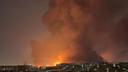
Svi su bili jako uplašeni. Popeli smo se na krov i vidjeli dim.
Akram's reflection on history repeating itself, drawing parallels to the devastating Iran-Iraq War of the 1980s, adds a layer of historical weight to the current crisis. While acknowledging technological advancements in information dissemination, the core human experience of loss and fear remains tragically familiar. The article subtly touches upon the local perspective of national pride and resistance, with one individual expressing pride in confronting a superpower, a sentiment that resonates deeply within the national narrative of self-determination and resilience.
Ulice su bile izuzetno zakrčene. Majke su plakale. Put koji mi obično traje 40 minuta, trajao je gotovo tri sata. Najviše mi je privukla pozornost školska djeca – to je doista bio vrlo upečatljiv prizor. Jasno se vidjelo stres i tjeskoba među ljudima.
This story is particularly significant from our perspective as it humanizes the conflict, moving beyond headlines to the lived experiences of individuals. It highlights the unique burden carried by those in the region, who often bear the brunt of international tensions. The emphasis on the psychological impact and the comparison to past conflicts provides a crucial local context that might be missed in broader international reporting.
Skačem na svaki zvuk, pitajući se je li nešto opet pogođeno
DistantNews Editorial
Originally published by Večernji List in Croatian. Translated, summarized, and contextualized by our editorial team with added local perspective. Read our editorial standards.
More Stories



From Our Blog

What Gets Lost (and Found) When News Is Translated

The Critical Role of Diaspora Media in Global News

What Travellers Should Know About Countries with Restricted Press

A Digital Nomad's Guide to Following Local News

How the Same Story Looks Different in Different Countries
