


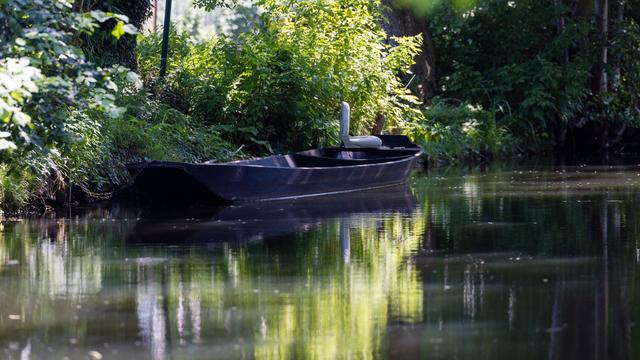
Health hazard: Oak processionary moth closures in Spreewald eased
Translated from German, summarized and contextualized by DistantNews.
At a glance
News
From a news agency
Ongoing story
- Some waterways in the Unterspreewald region, previously closed due to the oak processionary moth, are now accessible again.
- The moth's caterpillars pose a health risk due to their stinging hairs, causing skin and eye irritation.
- Certain routes remain closed as authorities continue to assess and manage the risks associated with the pest.
Several waterways in the Unterspreewald region, which were temporarily closed due to the presence of the oak processionary moth, have now been reopened for boat traffic. The decision to reopen these routes was announced by the Ministry of the Environment in Potsdam.
The reopened routes include the Krausnicker Strom from Puhlstrom to Krausnicker Wehr, the Puhlstrom from Schiwanstrom to Unteres Puhlstromwehr, and a section of the Nebenfließ 'Schnelle Kathrin,' as well as a part of the Schiwanstrom. These areas had been closed because of the health risks posed by the oak processionary moth, including the potential for falling trees and branches. A ministry spokesperson confirmed that the immediate dangers have been mitigated.
The dangers have now been eliminated.
However, authorities had to temporarily suspend their own safety work along the waterways due to the health risks to their personnel. Consequently, some water routes will remain closed. These include the Wasserburger Spree, the Pfahlspree, the Dresslerstrom, and the Krügerstrom. The oak processionary moth is a growing concern across Brandenburg this year, with its spread leading to significant health issues.
The tiny stinging hairs of the moth's caterpillars contain a nettle toxin that can cause severe skin irritation, itching, and welts upon contact. Eye irritation, coughing, and asthma-like symptoms are also possible. It is important to note that these closures exclusively affect the Unterspreewald region and not the Oberspreewald, which is primarily characterized by alder, ash, and poplar trees. Therefore, areas like Lübbenau, Lehde, and Leipe are not experiencing any waterway restrictions related to the oak processionary moth.
The authorities had to stop their own safety work along the waterways due to the oak processionary moth for their own health protection.
DistantNews Editorial
Originally published by Die Zeit in German. Translated, summarized, and contextualized by our editorial team with added local perspective. Read our editorial standards.
More Stories

From Our Blog

What Gets Lost (and Found) When News Is Translated

How the Same Story Looks Different in Different Countries

The Critical Role of Diaspora Media in Global News

What Travellers Should Know About Countries with Restricted Press

A Digital Nomad's Guide to Following Local News
