


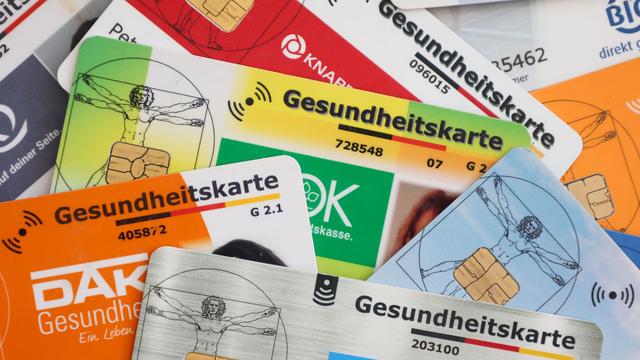
Health Insurers Demand Increase to Savings Package
Translated from German, summarized and contextualized by DistantNews.
At a glance
News
From a news agency
New plan
- German statutory health insurers (GKV) are demanding an increase in the government's planned austerity package to stabilize contributions.
- Insurers cite an 8% increase in benefit spending in the first quarter of 2026, driven by hospital treatments, medications, and practice-based care.
- The health minister plans to raise the savings target, but a significant gap remains, requiring further solutions.
Germany's statutory health insurers are calling for an increase in the government's planned austerity package, citing a sharper rise in expenditures than anticipated. Oliver Blatt, head of the GKV-Spitzenverband (umbrella association of statutory health insurers), stated that the package "must be increased," but stressed that this should not lead to higher burdens for contributors or patients. He indicated that the federal government and the pharmaceutical industry should be the focus for additional measures.
Blatt emphasized the need to adhere to the reform despite the difficulties, pointing to an 8% increase in benefit spending between January and March 2026. This rise, he noted, was primarily driven by significant costs in hospital treatments (up 9.4%), medications (6.4%), and practice-based care (7.3%). These figures exceeded initial projections, creating a larger financial gap.
It must be increased.
Federal Health Minister Nina Warken has already announced plans to raise the savings target within the proposed legislation to prevent higher insurance contributions next year. However, the current draft, approved by the cabinet, only covers 16.3 billion euros of an anticipated 18.8 billion euro deficit for 2027. This leaves a shortfall of at least 2.5 billion euros that needs to be addressed, especially if a buffer for unforeseen circumstances is to be included.
The insurers' demand highlights the ongoing financial pressures within Germany's healthcare system. They argue that the current austerity measures are insufficient to counteract the rising costs and ensure stable contribution rates for the insured population.
The benefit expenditures rose by 8 percent between January and the end of March, and thus more strongly than expected.
DistantNews Editorial
Originally published by Die Zeit in German. Translated, summarized, and contextualized by our editorial team with added local perspective. Read our editorial standards.
More Stories


From Our Blog

What Gets Lost (and Found) When News Is Translated

How the Same Story Looks Different in Different Countries

The Critical Role of Diaspora Media in Global News

What Travellers Should Know About Countries with Restricted Press

A Digital Nomad's Guide to Following Local News
