


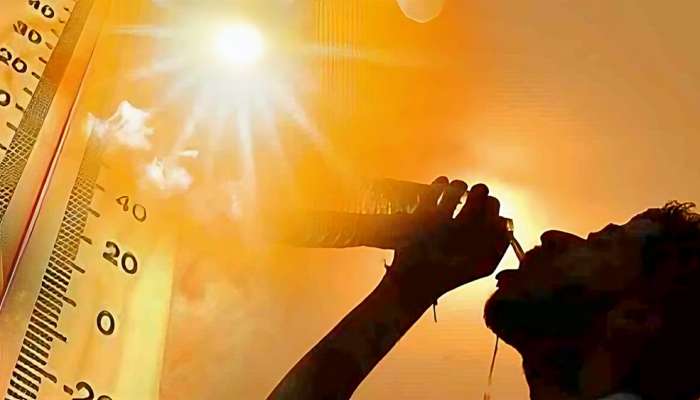
Health Ministry warns of health risks amid rising summer temperatures
Summarized and contextualized by DistantNews.
At a glance
News
Official statement
Context piece
- Oman's Ministry of Health warns of health risks due to rising summer temperatures.
- The ministry urges preventive measures against heat stress and sunstroke, especially for vulnerable groups.
- Key advice includes staying hydrated, avoiding peak heat hours, and wearing protective clothing.
Oman's Ministry of Health is intensifying public awareness campaigns as summer temperatures soar, issuing stern warnings about the dangers of heat stress and sunstroke. The ministry is particularly concerned about vulnerable populations, including the elderly, infants, outdoor workers, and those in poorly air-conditioned environments, who face a heightened risk of severe health complications. Dr. Shamsa Al Harthy, Head of School and University Health Programs, stressed that heat-related illnesses can escalate rapidly and become life-threatening if not promptly addressed. Symptoms requiring immediate medical attention include excessive sweating, severe fatigue, headaches, nausea, vomiting, dizziness, extreme thirst, muscle cramps, rapid heartbeat, and elevated body temperatures. Changes in skin condition, such as redness, excessive warmth or cold, and clammy skin with paleness, are also critical warning signs.
rising temperatures during the summer season require increased vigilance from both individuals and employers to prevent heat-related illnesses.
The ministry emphasizes that consistent hydration is the most effective defense. Dr. Al Harthy recommends drinking two to four cups of water every hour when outdoors in high temperatures, and for those engaged in physical activity, replenishing lost salts and minerals is crucial. Sugary or caffeinated beverages are discouraged due to their dehydrating effects. Daily fluid intake recommendations are 3.5 to 4 liters for men and 2.5 to 3 liters for women in air-conditioned settings, while outdoor workers and exercisers should aim for one to two cups every 15 to 20 minutes.
heat-related illnesses can develop rapidly and may become life-threatening if not recognised and treated promptly.
To mitigate risks, the public is advised to avoid strenuous outdoor activities between 10 a.m. and 4 p.m., the hottest part of the day. Workers in hot conditions should take frequent breaks in cool areas and wear loose, light-colored clothing, hats, sunglasses, and sunscreen. Residents are encouraged to stay indoors when possible, keeping windows and curtains closed to minimize heat gain. Special attention must be paid to children, the elderly, and individuals with chronic illnesses, ensuring they receive adequate fluids and protection from the heat.
proper hydration remains the most effective defense against heat-related illnesses.
DistantNews Editorial
Originally published by Times of Oman. Summarized and contextualized by our editorial team with added local perspective. Read our editorial standards.
More Stories

From Our Blog

What Gets Lost (and Found) When News Is Translated

The Critical Role of Diaspora Media in Global News

What Travellers Should Know About Countries with Restricted Press

A Digital Nomad's Guide to Following Local News

How the Same Story Looks Different in Different Countries
