


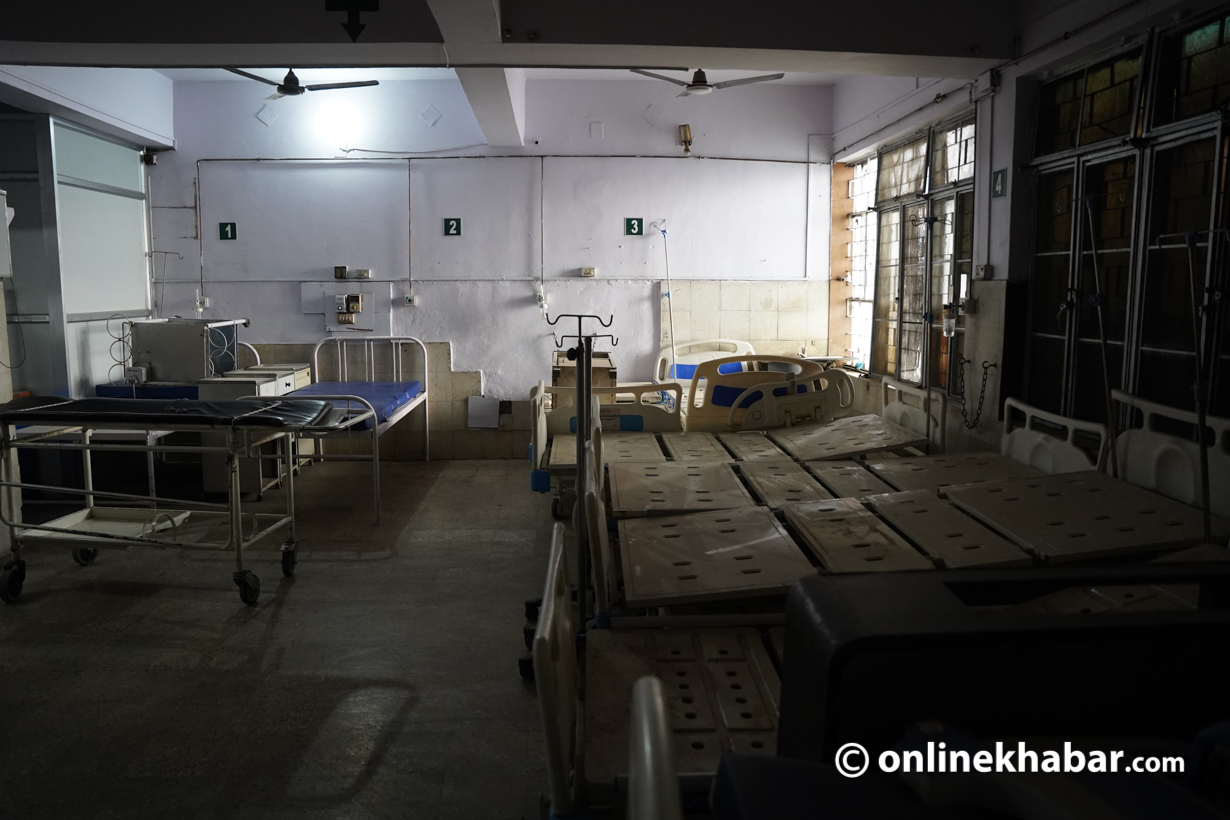
Healthcare should no longer be confined to hospitals
Summarized and contextualized by DistantNews.
At a glance
In-depth
Sources not specified
Context piece
- Traditional hospital-centric healthcare models are being challenged by the need for care to reach patients wherever they are.
- Distance remains a significant barrier to healthcare access in Nepal, impacting timely treatment and survival rates.
- Extending healthcare services beyond hospitals through networks and digital tools can improve patient outcomes, especially in remote areas.
For over a century, hospitals have been the cornerstone of healthcare, serving as the primary point of contact for illness and treatment. This model assumes healthcare is confined within clinic walls, with patients traveling to facilities and returning home, often waiting until their next visit for care. However, the 21st century prompts a reevaluation of this assumption, questioning where healthcare should truly occur.
The article argues that healthcare should extend beyond hospital premises, reaching patients in their communities and homes. In Nepal, geographical challenges like mountains and hills create immense distances between people and health facilities. This distance dictates how quickly individuals seek care, their expenses, and even their chances of survival during emergencies. The author emphasizes that geography should not determine healthcare quality, yet it persistently does.
While hospitals remain indispensable for critical care, emergency services, and specialized treatments, the goal is not to replace them but to expand their reach. The concept presented is a patient-centered network where hospitals act as hubs for continuous care. This network could leverage simple digital follow-ups, allowing patients to report worsening symptoms from home.
This approach enables clinicians to assess situations remotely, offering reassurance, adjusting medications, or arranging timely referrals before a crisis escalates. Such a system ensures healthcare reaches the patient before the patient needs to reach the hospital, a crucial adaptation for nations like Nepal with challenging terrains and dispersed populations. The traditional model, while functional, is insufficient for addressing the complexities of modern healthcare needs, particularly in geographically diverse regions.
DistantNews Editorial
Originally published by OnlineKhabar English. Summarized and contextualized by our editorial team with added local perspective. Read our editorial standards.
More Stories


From Our Blog

What Gets Lost (and Found) When News Is Translated

The Critical Role of Diaspora Media in Global News

What Travellers Should Know About Countries with Restricted Press

A Digital Nomad's Guide to Following Local News

How the Same Story Looks Different in Different Countries
