


Heat Accelerates German Grain Harvest, But Winter Wheat Faces Risks
Translated from German, summarized and contextualized by DistantNews.
At a glance
News
Sources not specified
Context piece
- The grain harvest in southwestern Germany began earlier this year due to heat, with winter barley already being harvested.
- Farmers anticipate an average harvest overall, but regional yield variations are significant due to soil type and water availability.
- Winter wheat faces risks of yield and quality reduction from heat-induced 'premature ripening' during its grain-filling phase.
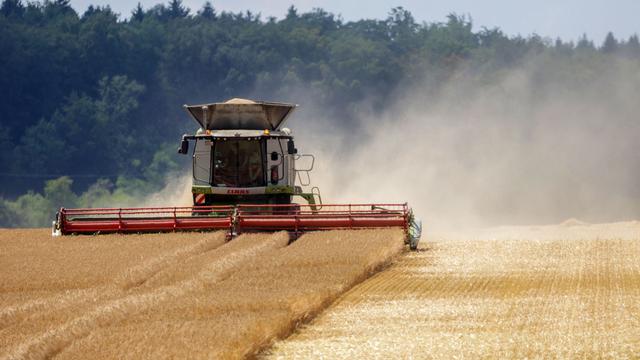
The grain harvest in southwestern Germany has commenced earlier than usual this year, primarily driven by the intense heat experienced in recent weeks, according to the state farmers' association. This accelerated maturation has allowed combine harvesters to roll in early cultivation regions like Karlsruhe and the Rhein-Neckar district since late June, focusing on winter malting barley.
Following winter barley, the harvest will proceed to winter wheat, winter rapeseed, and summer grains such as spring barley and oats in the coming weeks. The exact timing depends on the specific region and prevailing weather conditions. The farmers' association anticipates the winter wheat harvest to begin about ten days earlier than normal.
Overall, farmers expect an average harvest, but significant regional differences are noted. Soil type and water availability are critical factors. Sandy or shallow soils have received insufficient rainfall, leading to anticipated yield losses that can only be quantified after the harvest is complete.
The heatwave hit the barley only at a time when the starch storage in the grain - which ensures large grains and thus good yields - had already been completed.
The winter barley harvest has shown a comparatively positive picture, with yields ranging from average to slightly above average and good quality. Favorable rainfall in May and early June benefited the crop, while the heatwave occurred after the grain's starch storage phase was complete. The situation for winter wheat is more critical. The ongoing heat poses a risk of yield and quality reductions, as the wheat is currently in its grain-filling stage. High temperatures could trigger 'premature ripening,' a stress response where the plant prioritizes survival, resulting in smaller grains. A conclusive assessment remains pending.
Corn and sugar beet crops also present a varied picture depending on location. Some corn plants show rolled leaves, indicating heat stress and lack of precipitation, while others are developing well. Sugar beets on sandy soils exhibit early signs of drought stress. For both crops, which are harvested in the fall, the recent rainfall is considered highly significant.
The high temperatures could trigger a so-called premature ripening. Through the stress reaction, the plant secures its survival, but the grains remain smaller.
DistantNews Editorial
Originally published by Die Zeit in German. Translated, summarized, and contextualized by our editorial team with added local perspective. Read our editorial standards.
More Stories



From Our Blog

What Gets Lost (and Found) When News Is Translated

How the Same Story Looks Different in Different Countries

The Critical Role of Diaspora Media in Global News

What Travellers Should Know About Countries with Restricted Press

A Digital Nomad's Guide to Following Local News
