


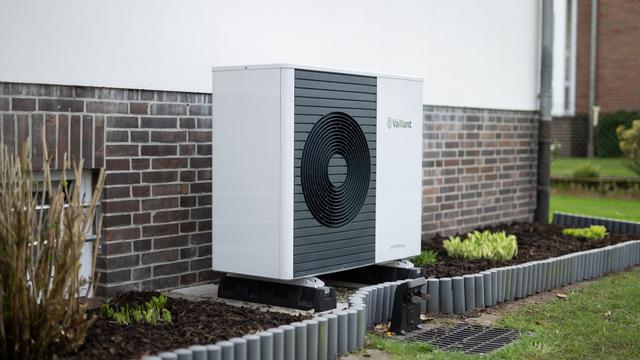
Heat pumps installed most in German homes for first time
Translated from German, summarized and contextualized by DistantNews.
At a glance
News
Sources not specified
New plan
- Heat pumps became the most frequently installed heating system in residential buildings in Germany for the first time.
- This shift indicates a growing trend towards renewable energy sources for heating in the country.
- The data comes from the Institute of the German Economy (IW), highlighting a significant change in the German heating market.
Heat pumps have officially become the most installed heating system in German residential buildings, marking a significant milestone in the country's energy transition. For the first time, this renewable technology has surpassed traditional heating methods, signaling a decisive shift in the market.
The Institute of the German Economy (IW) reported this change, highlighting the growing adoption of heat pumps. This trend reflects Germany's broader commitment to reducing carbon emissions and increasing the use of sustainable energy sources. The move towards heat pumps is a key component of the nation's strategy to decarbonize its building sector.
This development is particularly noteworthy as Germany aims to phase out fossil fuels. Heat pumps, which use electricity to transfer heat from the environment, offer an energy-efficient and environmentally friendly alternative to gas and oil heating systems. The increasing installation numbers suggest that both consumers and the construction industry are embracing this greener technology.
DistantNews Editorial
Originally published by Die Zeit in German. Translated, summarized, and contextualized by our editorial team with added local perspective. Read our editorial standards.
More Stories


From Our Blog

What Gets Lost (and Found) When News Is Translated

How the Same Story Looks Different in Different Countries

The Critical Role of Diaspora Media in Global News

What Travellers Should Know About Countries with Restricted Press

A Digital Nomad's Guide to Following Local News
