


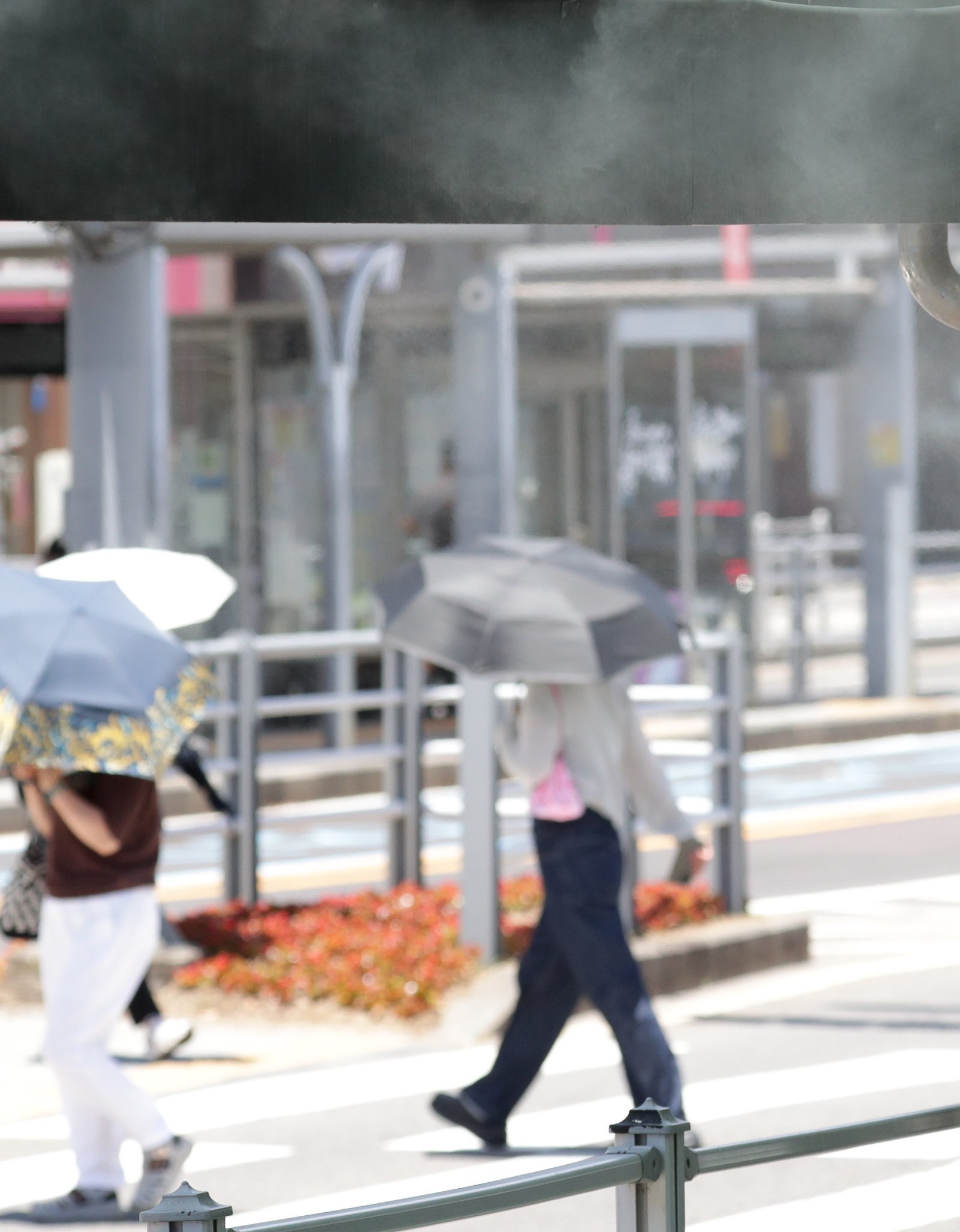
Heatwave causes cumulative heat illness cases to exceed 1,000; 3 deaths reported
Translated from Korean, summarized and contextualized by DistantNews.
At a glance
News
Documents & data
Ongoing story
- South Korea has surpassed 1,000 cumulative cases of heat-related illnesses amid a persistent heatwave.
- Three deaths have been attributed to heatstroke so far this season.
- Men are disproportionately affected, accounting for over three times the number of cases compared to women.
South Korea is grappling with a severe heatwave, which has led to a cumulative total of 1,001 cases of heat-related illnesses since May 15, according to the Korea Disease Control and Prevention Agency (KDCA).
The number of cases is lower than the 1,605 reported during the same period last year. However, three deaths have been recorded this season, with fatalities occurring on May 15, June 29, and July 14. The agency is operating an emergency room surveillance system for heat-related illnesses until September 30, monitoring 516 medical institutions nationwide.
Analysis of the reported cases reveals a significant gender disparity, with men accounting for 761 cases (76.0%) compared to 240 cases (24.0%) among women. The most affected age group is individuals aged 60-69, followed by those in their 50s and 40s. Heat exhaustion is the most common diagnosis, followed by heatstroke and heat cramps.
The majority of cases, 831, occurred outdoors, with workplaces and agricultural fields being common locations. Indoor cases, though fewer, also occurred in workplaces and homes. The Gyeonggi province reported the highest number of cases, followed by Seoul and Gyeongbuk province. The KDCA advises the public to check temperatures before going out, avoid unnecessary outdoor activity during heat advisories, stay hydrated, and take frequent breaks.
DistantNews Editorial
Originally published by Dong-A Ilbo in Korean. Translated, summarized, and contextualized by our editorial team with added local perspective. Read our editorial standards.
More Stories


From Our Blog

What Gets Lost (and Found) When News Is Translated

The Critical Role of Diaspora Media in Global News

What Travellers Should Know About Countries with Restricted Press

A Digital Nomad's Guide to Following Local News

How the Same Story Looks Different in Different Countries
