


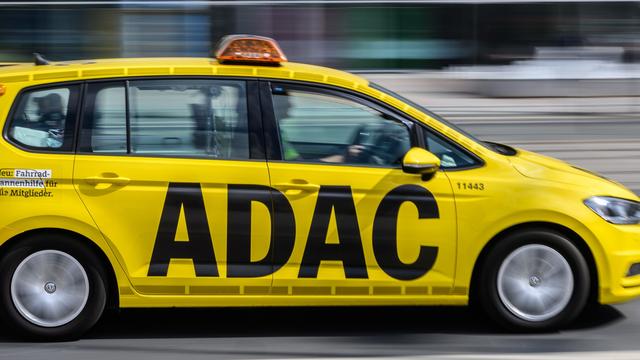
Heatwave causes rise in car breakdowns: ADAC
Translated from German, summarized and contextualized by DistantNews.
At a glance
News
From a news agency
Context piece
- The ADAC reported a significant increase in car breakdowns in North Rhine-Westphalia due to high temperatures exceeding 30 degrees Celsius.
- Last week, ADAC roadside assistance responded to nearly 21,500 incidents, a 20% rise compared to the first half of June.
- Older vehicles, particularly their batteries and cooling systems, are most vulnerable to extreme heat, leading to breakdowns.
Extreme heat exceeding 30 degrees Celsius has caused a notable surge in car breakdowns in North Rhine-Westphalia, according to the ADAC, Germany's largest automobile club. The organization's roadside assistance teams were deployed nearly 21,500 times across the state between Monday and Sunday of the past week.
Both extreme cold and extreme heat push the one or the other vehicle to the limit.
This figure represents a 20% increase in breakdowns compared to the week of June 8 to June 14. The ADAC spokesperson explained that both extreme cold and heat push vehicles to their limits. High temperatures particularly strain older car batteries that may no longer be in optimal condition, leading to them failing.
Beyond battery issues, the ADAC also cited problems related to cooling systems and air conditioning as common causes for breakdowns during heatwaves. These components are crucial for maintaining a vehicle's operational temperature and passenger comfort in hot weather.
Especially when the cars are already older and the battery may no longer be in top condition, extremely high temperatures put a strain on the battery – and then it fails.
The increased call volume highlights the impact of rising temperatures on vehicle reliability, especially for older cars. The ADAC's data underscores the importance of vehicle maintenance, particularly for cooling systems and batteries, to prevent breakdowns during periods of extreme weather.
Besides that, there are a few other causes that have to do with cooling, air conditioning, for example.
DistantNews Editorial
Originally published by Die Zeit in German. Translated, summarized, and contextualized by our editorial team with added local perspective. Read our editorial standards.
More Stories

From Our Blog

What Gets Lost (and Found) When News Is Translated

How the Same Story Looks Different in Different Countries

The Critical Role of Diaspora Media in Global News

What Travellers Should Know About Countries with Restricted Press

A Digital Nomad's Guide to Following Local News
