


Heavy ETF Concentration in Samsung, SK Hynix Weakens Diversification During Market Downturns
Translated from Korean, summarized and contextualized by DistantNews.
At a glance
News
Named sources
Context piece
- Exchange-traded funds (ETFs) in South Korea are heavily concentrated in Samsung Electronics and SK Hynix, totaling 46 trillion won each.
- This concentration weakens the diversification function of ETFs during market downturns.
- Funds focused on dividends or low volatility also underperformed if they held significant stakes in these two semiconductor giants.
South Korea's exchange-traded fund (ETF) market is facing criticism for its heavy concentration in just two major stocks: Samsung Electronics and SK Hynix. These semiconductor giants each represent approximately 46 trillion won in ETFs, making up about 18% of the total domestic equity ETF market. This imbalance is hindering the core benefit of ETFs – diversification – especially during market corrections.
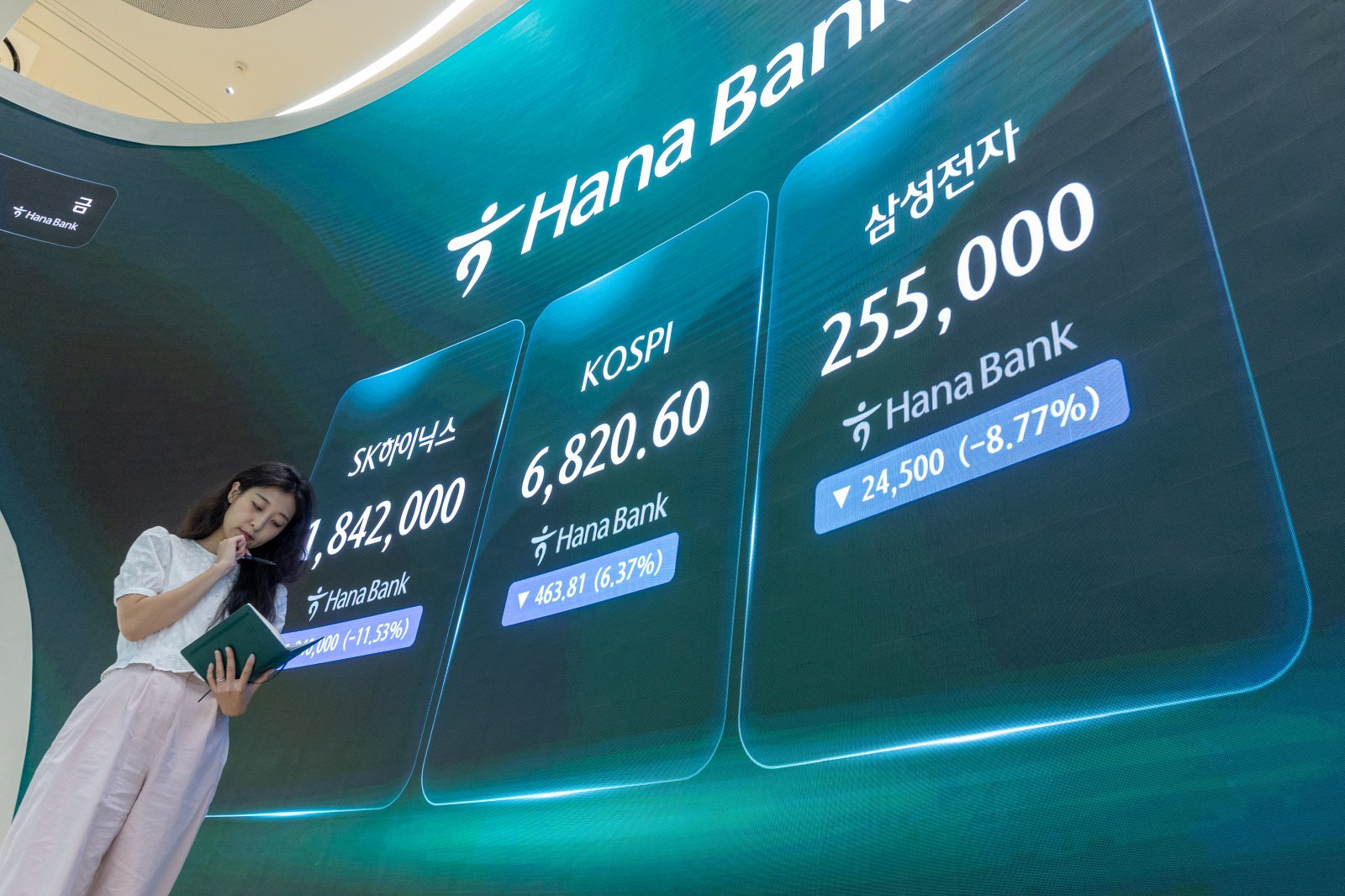
The issue became particularly apparent during recent market downturns. ETFs heavily invested in Samsung Electronics and SK Hynix, often referred to as 'Samjeonnix,' have shown poor performance. For instance, single-stock leveraged ETFs tracking Samsung Electronics and SK Hynix saw monthly returns plummet by over 50%. Even ETFs themed around AI semiconductors or those with a significant weighting in these two companies experienced substantial losses.
Furthermore, ETFs designed for stability, such as dividend and low-volatility funds, also failed to provide adequate protection when they included large portions of 'Samjeonnix.' Funds like 'RISE High Dividend' dropped 16.75% in a month, contrasting with 'ACE High Dividend,' which held fewer semiconductor stocks and fell only 6.36%. Similarly, 'KODEX Minimum Volatility' suffered an 18.91% loss due to its 24% exposure to these stocks, while 'Power High Dividend Low Volatility,' without them, declined by 7.52%.
Industry experts advise investors to carefully examine the underlying components and weightings of ETFs before investing. They emphasize that understanding the specific stocks and indices within an ETF is crucial to ensure it aligns with an investor's risk tolerance and financial goals, especially given the market's current concentration.
Even with the same type of product, the constituent stocks and their weightings differ, so it is important to examine the stocks and underlying indices to see if the products are evenly composed to match the investment characteristics.
DistantNews Editorial
Originally published by Dong-A Ilbo in Korean. Translated, summarized, and contextualized by our editorial team with added local perspective. Read our editorial standards.
More Stories


From Our Blog

What Gets Lost (and Found) When News Is Translated

The Critical Role of Diaspora Media in Global News

What Travellers Should Know About Countries with Restricted Press

A Digital Nomad's Guide to Following Local News

How the Same Story Looks Different in Different Countries
