


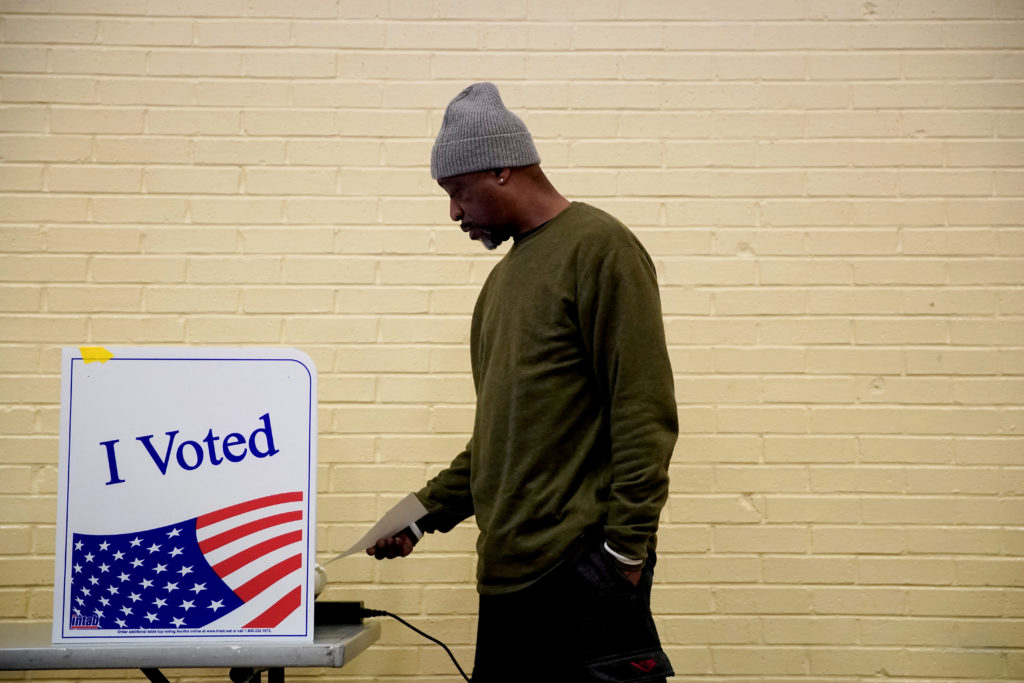
Here's what makes American elections so complicated and secure
Summarized and contextualized by DistantNews.
At a glance
News
Named sources
Context piece
- U.S. elections are secured by their decentralized nature, with over 10,000 jurisdictions operating under different state and local rules.
- This complex structure, rooted in the Constitution granting states primary authority, makes widespread fraud extremely difficult to orchestrate.
- While voter fraud can occur, safeguards and security protocols frequently catch and prosecute such rare incidents.
President Donald Trump's claims of federal authority being used to prevent U.S. elections from being "stolen" overlook a fundamental security feature: the decentralized nature of American voting. The U.S. election system operates across more than 10,000 different jurisdictions, each governed by distinct rules set by state and local authorities. This intricate structure, established by the nation's Founding Fathers who vested election authority in the states, makes the system extraordinarily complex but also highly resistant to widespread fraud.
Unlike many countries with a national election agency, the U.S. lacks a central body to administer presidential contests. The day-to-day operations fall to local officials, supported by staff and volunteers. Election security experts emphasize that this decentralized model is a significant strength. To successfully rig a presidential election, a large number of election workers across competitive counties would need to collude, risking prosecution and prison time, while officials from both parties would have to ignore the misconduct, a scenario deemed highly unlikely.
While the complexity of varying election laws can be confusing, security measures and shared practices are in place nationwide. These systems ensure that only eligible voters cast ballots and that each vote is counted only once. Incidents of voter fraud, such as voting multiple times, using deceased relatives' names, or stealing mail ballots, are rare but are often detected and prosecuted.
Crimes like voting more than once, ballot tampering, or falsely claiming residency to vote elsewhere carry substantial penalties, including hefty fines and prison time. Non-U.S. citizens convicted of election law violations face deportation. These safeguards, combined with the sheer difficulty of coordinating widespread fraud across thousands of independent jurisdictions, contribute to the overall security of U.S. elections.
DistantNews Editorial
Originally published by PBS NewsHour. Summarized and contextualized by our editorial team with added local perspective. Read our editorial standards.
More Stories


From Our Blog

How the Same Story Looks Different in Different Countries

What Gets Lost (and Found) When News Is Translated

The Critical Role of Diaspora Media in Global News

What Travellers Should Know About Countries with Restricted Press

A Digital Nomad's Guide to Following Local News
