

Hesse Debates Opening Churches for Schools and Social Use Amid Financial Strain
Translated from German, summarized and contextualized by DistantNews.
At a glance
News
From a news agency
Context piece
- Hessian churches face declining membership and revenue, prompting discussions on new uses for religious buildings.
- The state government is considering allowing schools and community groups to use church spaces to aid preservation.
- Opposition parties question the financial burden and suggest churches possess significant assets.
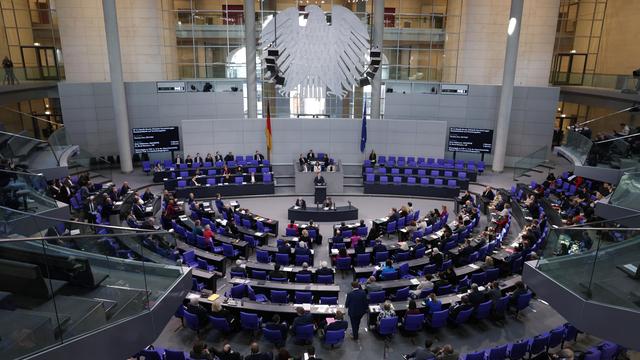
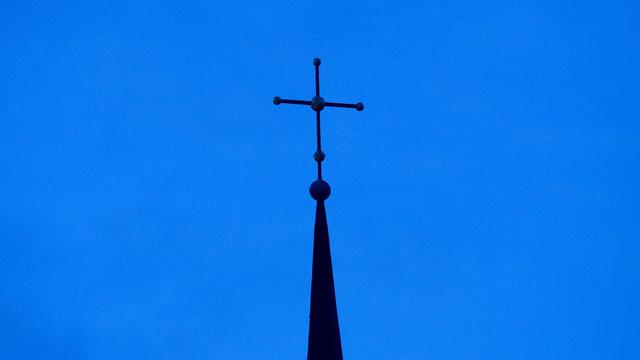
Hesse's parliament is debating the future of the state's approximately 3,300 churches, as declining membership and dwindling tax revenues challenge their upkeep. The ruling CDU and SPD parties are pushing for innovative solutions to preserve these historic buildings, which they argue are vital to local identity and community cohesion.
What happens when the village remains, but the church disappears? With every abandoned church building, more threatens to be lost than just a structure.
CDU parliamentary leader Ines Claus highlighted the risk of losing more than just structures when churches disappear, emphasizing their role in fostering identity and providing a sense of home. She noted the "financial distress" many churches face, with significant renovation needs. While acknowledging the separation of church and state, Claus stressed that politics and values are intertwined. The government aims to support municipalities in maintaining and renovating churches, suggesting synergies like schools using church community rooms for after-school programs.
The governing coalition's proposal outlines a need for "extended use models" that open churches for social, cultural, educational, and community-oriented purposes, alongside traditional religious services and complete repurposing. SPD representative Sebastian Sack agreed, stating that not all churches can be exclusively used for religious services in the future and advocating for evolving their use while preserving their dignity, potentially in collaboration with local associations.
Besides purely ecclesiastical use and complete repurposing, model extended uses will increasingly be necessary in the future, opening churches and sacred buildings for social, cultural, educational, or community-oriented purposes.
Education Minister Armin Schwarz (CDU) pointed to potential subsidies for church renovations through urban development programs, stressing that each case requires individual consideration. He sees churches as potential cultural and religious access points for young people through services, concerts, and projects. "Let's keep the church in the village!" he urged, underscoring the importance of preserving these sacred buildings.
Let's keep the church in the village!
However, FDP representative Matthias Büger expressed skepticism, acknowledging churches' architectural significance but pointing out that less than half of Germans belong to major churches. He questioned the financial burden of upkeep, stating, "Churches possess significant assets," and suggesting that property owners should bear more responsibility.
Churches possess significant assets.
DistantNews Editorial
Originally published by Die Zeit in German. Translated, summarized, and contextualized by our editorial team with added local perspective. Read our editorial standards.
More Stories



From Our Blog

What Gets Lost (and Found) When News Is Translated

How the Same Story Looks Different in Different Countries

The Critical Role of Diaspora Media in Global News

What Travellers Should Know About Countries with Restricted Press

A Digital Nomad's Guide to Following Local News
