


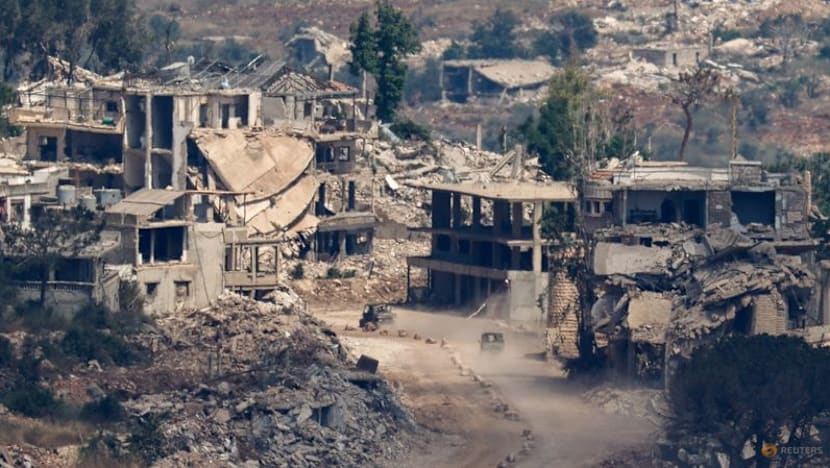
Hezbollah leader calls US-brokered Lebanon-Israel security deal 'surrender'
Translated from English, summarized and contextualized by DistantNews.
At a glance
News
Named sources
Context piece
- Hezbollah leader Naim Qassem rejected a US-brokered security agreement between Lebanon and Israel as a "surrender."
- Qassem criticized the deal for linking Israel's withdrawal to Hezbollah's disarmament and accused the Lebanese government of unilateral concessions.
- The rejection comes amid ongoing hostilities, including an Israeli drone strike in southern Lebanon.
Hezbollah leader Naim Qassem has vehemently rejected a US-brokered security agreement between Lebanon and Israel, signed just a day prior, labeling it a complete "surrender" to Israeli demands. This strong denouncement highlights the deep divisions and ongoing tensions despite recent ceasefires and agreements.
Qassem specifically criticized provisions within the framework agreement that link Israel's phased withdrawal from southern Lebanon to Hezbollah's disarmament. He argued that these clauses legitimize Israel's continued military presence and cross "all red lines." The Hezbollah official accused the Lebanese government of making unilateral concessions that undermine the nation's sovereignty.
null and void
The rejection follows an Israeli drone strike in southern Lebanon's Nabatieh al-Fawqa, an area reportedly outside the security zone Israel intends to maintain. The Israeli military confirmed the strike, stating they targeted an individual posing a threat to their forces, though details remain scarce.
Hezbollah and its ally, Iran, assert that a separate memorandum of understanding reached between Iran and the US earlier this month should form the basis for ending hostilities. Qassem emphasized that Hezbollah, having endured difficult circumstances, remains committed to its armed resistance and will not abandon the battlefield.
We did not leave the battlefield in the most difficult circumstances, and we will not leave it.
DistantNews Editorial
Originally published by CNA in English. Translated, summarized, and contextualized by our editorial team with added local perspective. Read our editorial standards.
More Stories



From Our Blog

What Gets Lost (and Found) When News Is Translated

The Critical Role of Diaspora Media in Global News

What Travellers Should Know About Countries with Restricted Press

A Digital Nomad's Guide to Following Local News

How the Same Story Looks Different in Different Countries
