

Hidden homeless women are being missed from official figures, charities warn
Summarized and contextualized by DistantNews.
At a glance
News
Named sources
Context piece
- Charities warn that official figures significantly underestimate the number of homeless women in England.
- A survey found 1,406 women slept rough in the three months prior, ten times the official count in comparable areas.
- Homeless outreach workers report finding women in hidden locations, often struggling with mental health and harassment.
Official statistics are failing to capture the true scale of homelessness among women in England, charities have warned. A recent census conducted by Solace Women's Aid and the Single Homeless Project revealed that 1,406 women had slept rough in the three months preceding the survey.
When people used to see me, they didn't believe I was homeless. She did not look like a rough sleeper and did not drink or take drugs. So it was hard for people to believe that I was actually homeless.
This figure is ten times higher than the number of female rough sleepers identified in comparable areas by official government data. The census, which involved 33 London councils and 68 other authorities across England, also found 162 female rough sleepers in six areas where official data recorded none.
Homeless outreach workers Eabha and Elise described finding women in "unexpected places," such as parks, behind bushes, on night buses, or in hospital A&E waiting rooms. They noted that women often try to remain inconspicuous to avoid being moved on or to find a sense of security.
I wasn't sleeping because I had lots of luggage and King's Cross is bad for thieves. If I tried to sleep in the toilets, the staff would come banging on the door, telling me to get out. It was hard.
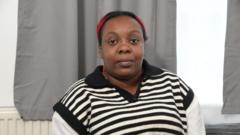
Victoria, a 31-year-old who experienced homelessness for three years, shared her struggles. She often stayed near King's Cross railway station, where the presence of security cameras and staff offered some comfort, though she faced constant harassment and difficulty sleeping due to her luggage and fear of theft. "The minute a man knows you are homeless, it's like 'let me take advantage'," she recounted, describing instances of harassment.
They can be really tucked away in parks, behind the bushes.
Lucy Campbell from the Single Homeless Project emphasized that being a "woman rough sleeper" makes it significantly harder to be discovered, which in turn hinders access to essential services, support, and accommodation. Mental health issues contributed to Victoria's homelessness, and her experiences on the streets exacerbated these problems.
Places like A&E can be quite popular spots, just sitting there and hopefully not be moved on.
DistantNews Editorial
Originally published by BBC News. Summarized and contextualized by our editorial team with added local perspective. Read our editorial standards.
More Stories


From Our Blog

What Gets Lost (and Found) When News Is Translated

The Critical Role of Diaspora Media in Global News

What Travellers Should Know About Countries with Restricted Press

A Digital Nomad's Guide to Following Local News

How the Same Story Looks Different in Different Countries
