


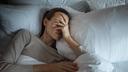
Hidden Nighttime Symptoms Could Signal Dangerous Diseases, Experts Warn
Translated from Croatian, summarized and contextualized by DistantNews.
At a glance
News
Named sources
Context piece
- Experts highlight hidden nighttime symptoms that can indicate serious health problems, often mistaken for common issues like fatigue or stress.
- Snapping awake for air is a key symptom, frequently linked to sleep apnea, which requires diagnosis and can increase risks of hypertension and heart problems if untreated.
- Other sleep disturbances like snoring, sleepwalking, and sleep-talking are discussed, with potential causes ranging from allergies and weight to stress and mental health conditions.
Many people attribute poor sleep to obvious causes like stress, noisy neighbors, or a partner stealing blankets. However, experts are drawing attention to less apparent nighttime symptoms that can signal serious health issues, often misinterpreted as everyday fatigue or stress.
In a world grappling with a "sleep crisis," an increasing number of individuals are experiencing sleep-related problems without realizing their underlying causes. Dr. Janice Johnston, co-founder and chief medical officer of Redirect Health, notes that people frequently misinterpret their body's signals. Many issues stem from undiagnosed sleep disorders or the health conditions that cause them, manifesting in unexpected ways during sleep.
During sleep, muscles relax, and the throat narrows or closes.
One of the most alarming signs is gasping for air during sleep, a common indicator of sleep apnea. This disorder causes breathing to repeatedly stop and start. Dr. Zeeshan Khan, director of the Sleep Medicine Institute of New Jersey, explains that during sleep, muscles relax, and the throat narrows or closes. Sleep apnea is associated with loud snoring, choking during sleep, and waking with a dry mouth and headache. Left untreated, it can double the risk of hypertension and increase the likelihood of heart arrhythmias and heart attacks.
Snoring, another frequent symptom, can also result from allergies, colds, or excess weight, caused by the narrowing of airways in the nose or throat leading to tissue vibration. If sleep studies rule out apnea, other treatments like sleeping on one's side, elevating the head of the bed, or using nasal strips may help. Parasomnias, or abnormal sleep behaviors, include sleepwalking and sleep-talking. Sleepwalking occurs during deep non-REM sleep and can be triggered by sleep deprivation, stress, anxiety, fever, alcohol, or certain medications. Sleep-talking, or somnilokvija, is common with unknown causes but more frequent in individuals with mental health conditions.
It is very rare for a patient using public dental care to switch to private services.
DistantNews Editorial
Originally published by Večernji List in Croatian. Translated, summarized, and contextualized by our editorial team with added local perspective. Read our editorial standards.
More Stories



From Our Blog

What Gets Lost (and Found) When News Is Translated

The Critical Role of Diaspora Media in Global News

What Travellers Should Know About Countries with Restricted Press

A Digital Nomad's Guide to Following Local News

How the Same Story Looks Different in Different Countries
