

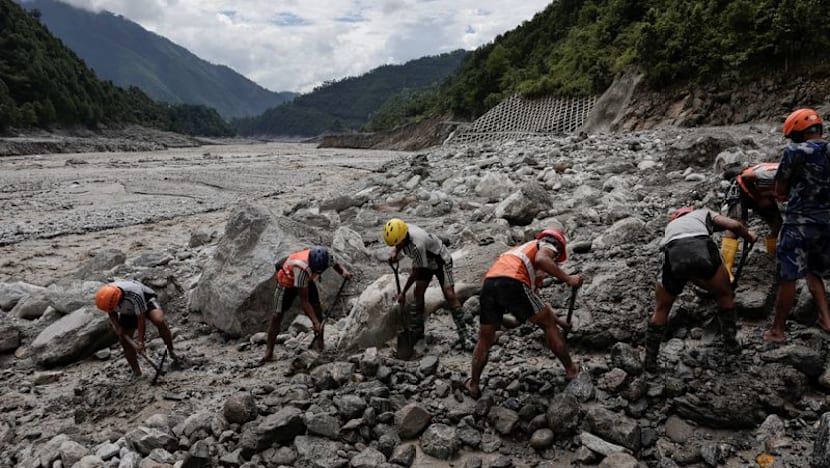

Hidden tunnels, fake doors uncovered in China mine tragedy probe
Translated from English and summarized by DistantNews. Read the original for the full story.
At a glance
News
Named sources
Under investigation
- Chinese authorities are investigating a deadly mine explosion that killed 82 people, uncovering evidence of hidden tunnels, fake doors, and unregistered miners.
- The Liushenyu mine in Shanxi province used two sets of plans, one for inspections and another for actual operations, concealing untaxed coal production.
- Missing location trackers and untracked workers significantly hampered rescue efforts following the gas explosion, the deadliest in China since 2009.
An initial investigation into China's deadliest mining disaster in over 15 years has revealed a disturbing picture of deception and negligence. The blast at the Liushenyu mine in Shanxi province late Friday killed 82 people, with two still missing and 128 hospitalized. State media reported Tuesday that authorities discovered unmarked tunnels, fake doors, and falsified drawings used to conceal mining operations from regulatory oversight.
Unmarked tunnels, missing trackers and fake doors have been uncovered during an initial probe into the deadliest mining tragedy in China in over 15 years, with the government vowing to leave no stone unturned, state media reported on Tuesday.
The mine, operated by Shanxi Tongzhou Coal Coking Group, maintained "yin-yang drawings" – two sets of plans. One set was for official inspections, while the other reflected the actual, often hidden, mining areas. This allowed the company to mine and sell untaxed coal, bypassing official production figures. The use of "fake doors," constructed from mortar-sprayed wire mesh and plastic sacks, was employed to blend concealed tunnels with the surrounding rock walls, fooling inspectors.
The mine, controlled by Shanxi Tongzhou Coal Coking Group, maintained two separate sets of plans and surveillance systems. One set matched the actual operations while the other was used to deal with official inspections, with some mining areas hidden from regulatory oversight.
Adding to the chaos and hindering rescue efforts, the mine operator hired subcontracted labor for these hidden tunnels without providing them with essential identification-location trackers. Official logs indicated only 124 workers were underground when the blast occurred, but in reality, 247 were present. The absence of accurate location data for over half the workforce severely complicated the search for survivors and victims in the aftermath of the gas explosion.
The Liushenyu mine "used wire mesh and woven plastic sacks sprayed with mortar, to make fake doors that looked very much like the rock wall of the mine tunnel."
About this summary
Originally published by The Straits Times in English. Translated, summarized, and contextualized automatically by DistantNews, with a note on how the source frames the story. Not individually reviewed before publishing. How this works.
More Stories


From Our Blog

News in Translation: What Gets Lost, and How We Keep the Framing

Diaspora Media: How Communities Abroad Follow Home

Traveling Where the Press Is Not Free: How to Read the News There

The Digital Nomad's Guide to Local News

The Same Story, Different Countries: How Coverage Changes at the Border
