


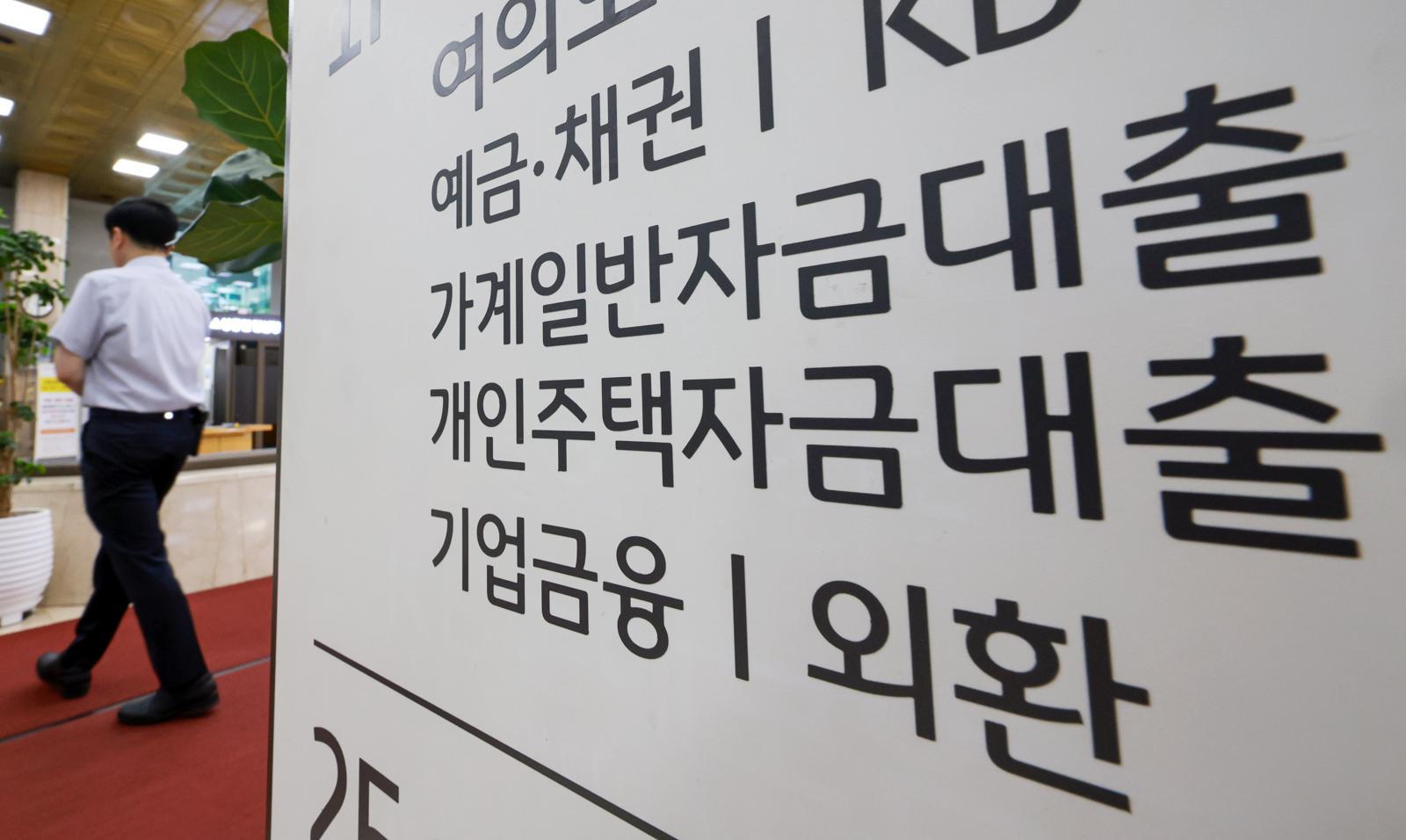
High Interest Rates Hit Borrowers While Banks See Record Profits in South Korea
Translated from Korean, summarized and contextualized by DistantNews.
At a glance
News
Documents & data
Context piece
- Household and small business loan delinquency rates in South Korea have reached a 10-year high due to rising interest rates.
- Financial companies, however, are reporting record profits from the interest rate gap between deposits and loans.
- Experts warn that the gap between struggling borrowers and profitable financial institutions could widen further if interest rates continue to climb.
South Korea is witnessing a stark divergence in financial fortunes, with household and small business loan delinquency rates hitting a decade-high, while financial institutions report record profits. The surge in market interest rates, even before the Bank of Korea's July policy rate hike, has burdened borrowers struggling to repay their debts. Data from five major banks (KB Kookmin, Shinhan, Hana, Woori, and NH Nonghyup) shows the average household loan delinquency rate stood at 0.33% at the end of June, a slight increase from the previous year but the highest since March 2016. Small business delinquency rates also climbed to 0.58% by the end of June, marking the highest level for that period since 2016. The quality of loans is deteriorating, with the balance of non-performing loans (substandard or worse assets) across the five banks reaching 7.43 trillion won ($5.7 billion) by the end of June, an increase of over 1 trillion won from the previous year and the highest in approximately eight years. The ratio of non-performing loans to total loans also rose for both households and businesses. Meanwhile, the five major financial groups posted a combined net profit of 13.12 trillion won ($10 billion) in the first half of the year, a 9.7% increase from the same period last year. This performance is attributed to rising market interest rates and increased loan demand, widening the interest income margin. Experts caution that without proactive measures to ease lending for vulnerable groups, the government's calls for "win-win finance" may lack credibility. Professor Lee Jung-hee of Chung-Ang University's economics department stressed the need for financial institutions to lower lending thresholds for vulnerable households and small business owners before interest rates climb further.
Financial institutions must make efforts to lower the lending threshold for vulnerable households and small business owners before interest rates rise. This will lend credibility to the government's calls for win-win finance.
DistantNews Editorial
Originally published by Dong-A Ilbo in Korean. Translated, summarized, and contextualized by our editorial team with added local perspective. Read our editorial standards.
More Stories


From Our Blog

What Gets Lost (and Found) When News Is Translated

The Critical Role of Diaspora Media in Global News

What Travellers Should Know About Countries with Restricted Press

A Digital Nomad's Guide to Following Local News

How the Same Story Looks Different in Different Countries
