

High Prices Shrink Paychecks: A Monthly Salary of 4.03 Million Won Feels Like 3.37 Million
Translated from Korean and summarized by DistantNews. Read the original for the full story.
At a glance
News
Documents & data
Context piece
- Average nominal monthly pay for workers at businesses with at least one regular employee rose 2.1% year on year to 4.036 million won in the second quarter.
- Consumer prices increased 3.0% over the same period, causing real wages to fall 0.8% to 3.37 million won.
- Real wages have declined for three straight months, the first such run since a five-month decrease from April through August 2023.
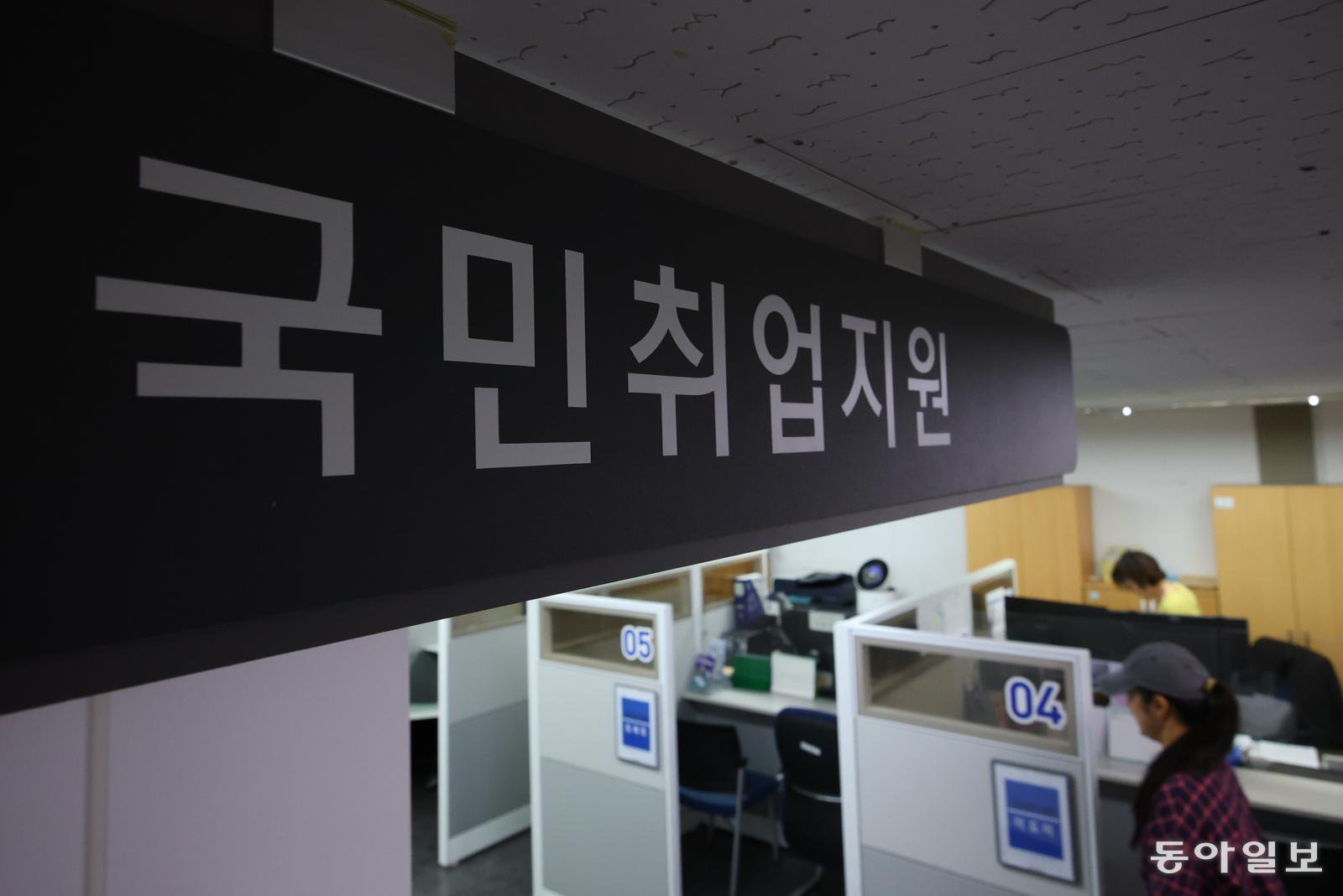
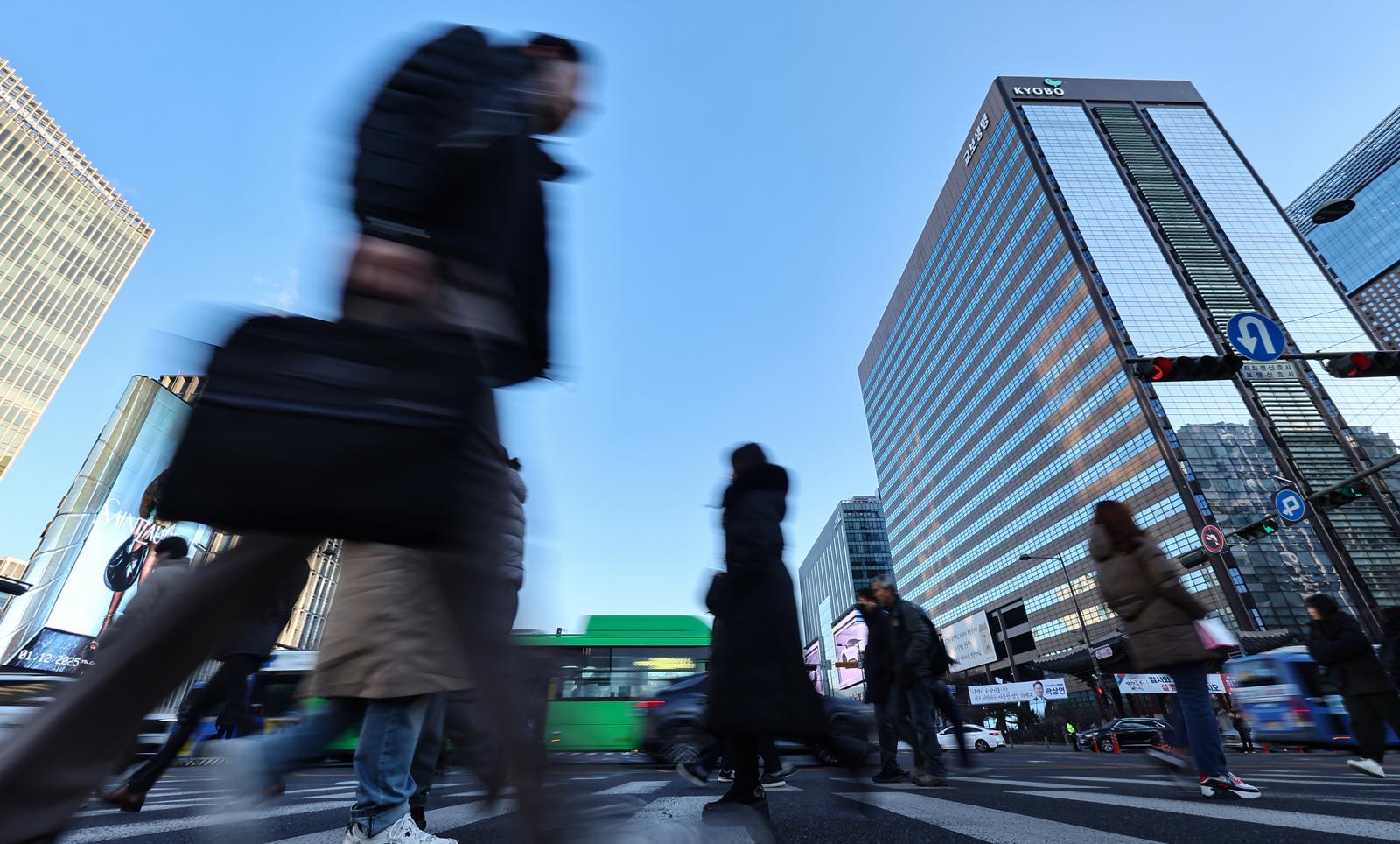
Workers in South Korea earned more on paper in the second quarter, but rising prices reduced what that income could buy. Average monthly nominal pay reached 4.036 million won, while real pay fell to 3.37 million won.
The figures came from the Ministry of Employment and Labor’s July labor force survey. Among businesses with at least one regular employee, average monthly nominal wages rose by 83,000 won, or 2.1%, from a year earlier during the April-to-June quarter.
Consumer prices climbed 3.0% over the same period. After adjusting for inflation, real wages dropped by 28,000 won, or 0.8%. Real wages have fallen every month since April, marking the first decline lasting at least three months since the five-month streak from April through August 2023.
Real wages measure the purchasing power of pay after removing the effect of price changes. In practical terms, a larger amount deposited into a worker’s account does not necessarily mean greater purchasing power when prices rise faster than wages.
Jeong Hyang-sook of the ministry’s Labor Market Research Division described the conditions as a “three-high” situation involving elevated exchange rates, oil prices and inflation. She said the inflation rate had reached its highest level since 2022, while wage growth lagged behind it.
Exchange rates, oil prices and prices are all high in this ‘three-high’ situation, with inflation at its highest level since 2022.
About this summary
Originally published by Dong-A Ilbo in Korean. Translated, summarized, and contextualized automatically by DistantNews, with a note on how the source frames the story. Not individually reviewed before publishing. How this works.
More Stories


From Our Blog

What Gets Lost (and Found) When News Is Translated

The Critical Role of Diaspora Media in Global News

What Travellers Should Know About Countries with Restricted Press

A Digital Nomad's Guide to Following Local News

How the Same Story Looks Different in Different Countries
