


High school baseball team considers forfeiting after discriminatory cheer sparks outrage
Translated from Korean, summarized and contextualized by DistantNews.
At a glance
News
Sources not specified
Context piece
- A South Korean high school baseball team is considering forfeiting its next game following a controversy over a discriminatory cheer.
- The team allegedly used a cheer that mocked a regional rival, referencing a Starbucks marketing campaign linked to a historical massacre.
- The incident has sparked public outrage, with calls for disciplinary action and even the resignation of the school's principal.
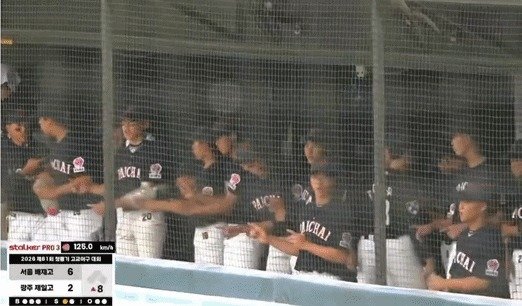
A South Korean high school baseball team is contemplating forfeiting its upcoming match after a discriminatory cheer sparked widespread backlash. The team, Baejae High School, reportedly used the cheer "Let's go to Starbucks" during a game against Gwangju Jeil High School. This phrase became controversial as it was linked to a Starbucks marketing campaign that some interpreted as mocking the May 18 Gwangju Uprising, a significant historical event in South Korea.
Let's go to Starbucks
The incident occurred during the 81st Blue Dragon National High School Baseball Championship. While leading 6-2 in the seventh inning, Baejae High players were heard on broadcast shouting the controversial cheer, along with "Tank Day." Gwangju Jeil High School protested, with one coach confronting the opposing dugout during the game, expressing strong anger over the remarks.
Hey, stop it. Why are you going to Starbucks? I've been holding it in.
The controversy escalated, leading Gwangju Jeil High to submit a formal complaint to the Korea Baseball Softball Association. Baejae High issued an official apology, calling the behavior "highly inappropriate" and vowing to take disciplinary action and implement special education for the players. However, the fallout continued, with funeral wreaths appearing at Baejae High's school gate and the alumni association demanding the principal's resignation.
It was a very inappropriate action.
Public reaction has been harsh, with online communities condemning the regional discrimination. Many expressed disbelief that such behavior still occurs and voiced concerns about potential future incidents, given that Baejae High's next opponent is also from the Jeolla region. The public also questioned the historical and educational awareness of the students, highlighting the need for more than just athletic training.
It's surprising that such regional discrimination still exists.
DistantNews Editorial
Originally published by Dong-A Ilbo in Korean. Translated, summarized, and contextualized by our editorial team with added local perspective. Read our editorial standards.
More Stories


From Our Blog

What Gets Lost (and Found) When News Is Translated

The Critical Role of Diaspora Media in Global News

What Travellers Should Know About Countries with Restricted Press

A Digital Nomad's Guide to Following Local News

How the Same Story Looks Different in Different Countries
