

High temperatures: GEW and students demand more heat protection in classrooms
Translated from German, summarized and contextualized by DistantNews.
At a glance
News
Named sources
Context piece
- Teachers' unions and students in Hesse, Germany, are calling for better heat protection in classrooms following a hot summer.
- The head of the GEW union in Hesse noted a lack of systematic efforts and a statewide guideline for heat protection in schools.
- Students report experiencing temperatures over 35 degrees Celsius, impacting concentration and causing health issues.
Following a summer of high temperatures, educators and students in the German state of Hesse are demanding improved heat protection measures in school buildings. The head of the Education and Science Workers' Union (GEW) in Hesse, Thilo Hartmann, criticized the absence of systematic efforts to address the issue.
"There have been no systematic efforts for better heat protection in Hessian schools so far," Hartmann stated. He pointed out that a statewide guideline for school construction, which would regulate building standards specifically for heat protection, does not exist. This lack of a unified approach leaves schools vulnerable to extreme heat.
There have been no systematic efforts for better heat protection in Hessian schools so far.
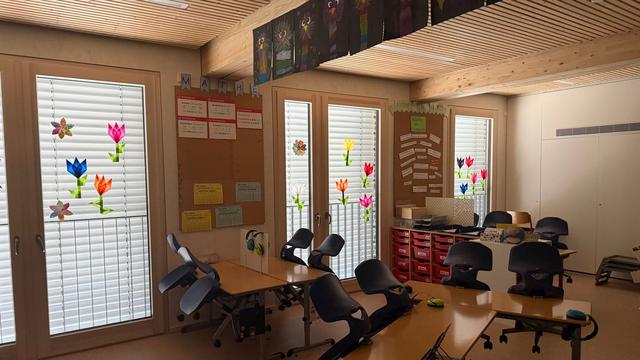
Laurenz Spies, the state student representative, echoed these concerns, highlighting that reports of overheated classrooms are no longer isolated incidents. "Reports of severely heated classrooms are by no means isolated cases anymore," Spies said. He shared personal experience of witnessing temperatures exceeding 35 degrees Celsius in a classroom at his own school, a situation mirrored by accounts from other schools.
High temperatures in classrooms significantly reduce students' concentration and performance. Furthermore, they can lead to health problems such as headaches, exhaustion, and circulatory issues. The union and students are urging for concrete measures to ensure a healthier learning environment, especially during increasingly hot summers.
Reports of severely heated classrooms are by no means isolated cases anymore.
DistantNews Editorial
Originally published by Die Zeit in German. Translated, summarized, and contextualized by our editorial team with added local perspective. Read our editorial standards.
More Stories



From Our Blog

What Gets Lost (and Found) When News Is Translated

How the Same Story Looks Different in Different Countries

The Critical Role of Diaspora Media in Global News

What Travellers Should Know About Countries with Restricted Press

A Digital Nomad's Guide to Following Local News
