


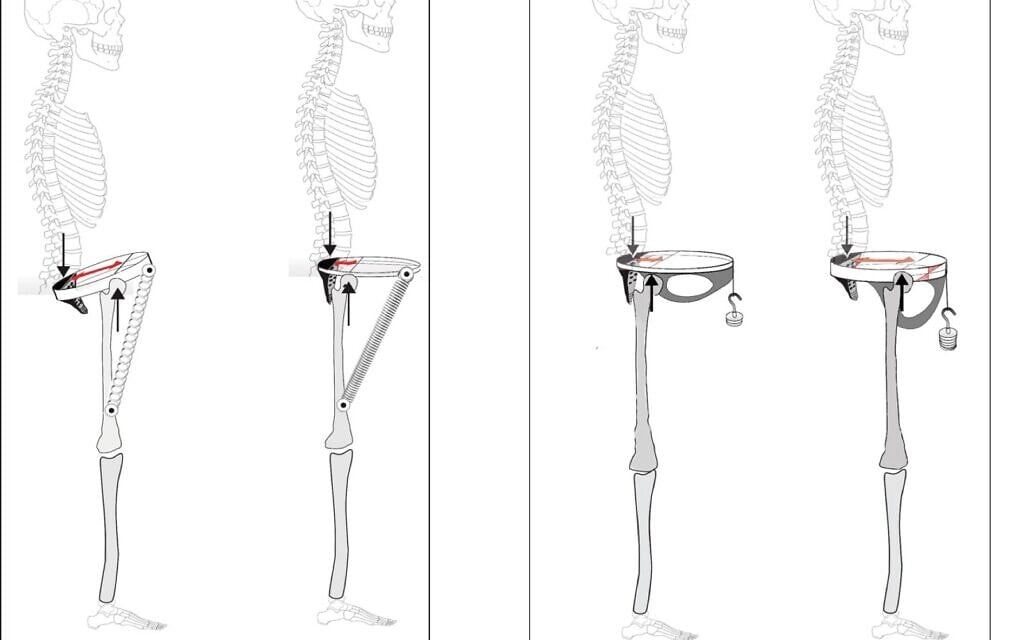
His pelvis was made for walking. Hers? Not so much, claims study of Neanderthal bones
Summarized by DistantNews. Read the original for the full story.
At a glance
News
Sources not specified
Context piece
- New research suggests Neanderthal pelvises were surprisingly similar to those of modern human females.
- The study proposes that reproductive needs may have prevented Neanderthal pelvises from evolving further, unlike those of males.
- This finding challenges previous assumptions about Neanderthal anatomy and locomotion.
Recent scientific inquiry into Neanderthal remains suggests a surprising similarity between their pelvic structures and those of modern human females. This finding challenges long-held assumptions about the distinct anatomy of our ancient hominin relatives.
The study posits that the specific demands of reproduction in Neanderthal females may have played a crucial role in shaping their pelvic anatomy. Unlike their male counterparts, whose pelvic structures might have evolved to facilitate greater mobility and endurance for activities like long-distance walking, the female pelvis may have remained adapted primarily for childbirth.
This research offers a new perspective on Neanderthal evolution, highlighting how biological imperatives, such as reproductive success, could influence anatomical development. It suggests that differences in pelvic structure between Neanderthal males and females were not solely about locomotion but were significantly influenced by their respective biological roles within the species.
About this summary
Originally published by Times of Israel. Summarized and contextualized automatically by DistantNews, with a note on how the source frames the story. Not individually reviewed before publishing. How this works.
More Stories


From Our Blog

What Gets Lost (and Found) When News Is Translated

The Critical Role of Diaspora Media in Global News

What Travellers Should Know About Countries with Restricted Press

A Digital Nomad's Guide to Following Local News

How the Same Story Looks Different in Different Countries
