

 Image: Ministerio Defensa
Historian says Javiera Carrera was far more than Chile’s flag-maker and the woman who “danced the resbalosa”
Translated from Spanish and summarized by DistantNews. Read the original for the full story.
At a glance
Interview
Named sources
Context piece
- Historian Soledad Reyes del Villar says Javiera Carrera’s political role in Chile’s independence movement extended well beyond the national flag and the song associated with her.
- Reyes says Carrera hosted meetings of leading patriots, copied and distributed independence proclamations, and encouraged other women to join the movement.
- The historian also highlights Carrera’s support for women’s education and describes her as a politically forceful and forward-looking woman.
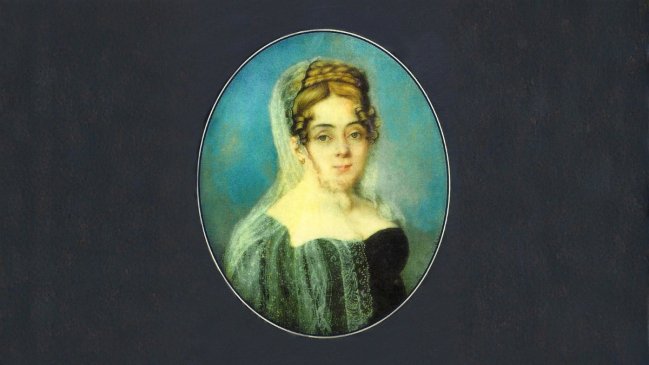
Javiera Carrera is remembered by many mainly for the first Chilean flag and the song saying she “danced the resbalosa.” Historian Soledad Reyes del Villar argues that this popular image leaves out the most important part of her political life.
I found that she was much more than that.
In an interview on Una Nueva Mañana, Reyes discussed her book, Doña Javiera y la formación del Chile republicano, recently reissued by Editorial Planeta. Her research seeks to recover the voice and influence of a woman who opened her home to meetings of patriots, circulated ideas about independence and urged other women to take part.
Carrera was widowed at 18 and left caring for two children, yet she turned her residence into a meeting place for figures including Manuel de Salas and Camilo Henríquez. Benjamín Vicuña Mackenna later called these men “the brains of the revolution.” Reyes said Carrera did more than host the gatherings. She copied independence proclamations in her own handwriting for distribution and pushed women to become more ideologically involved.
She was very forceful in involving them more ideologically in this.
The historian pointed to symbolic acts that revealed Carrera’s political position. At a party, Carrera wore a comb with an inverted Spanish crown, a sign of the monarchy’s decline, and dressed in the colors of Chile’s first flag. Reyes also highlighted her refusal to sign with either of her husbands’ surnames and her advocacy for female education.
Imagine what Santiago was like at that time, with 50,000 inhabitants, and she said: ‘This cannot be a city of 50,000 inhabitants where women are not educated.’
In 1812, Carrera promoted, through her brother José Miguel, the opening of schools for women in convents and monasteries. Resistance prevented the initiative from taking effect at the time. Reyes called Carrera “a fearless, formidable and liberal woman” and said her preserved letters show both her dominant character and her experiences of pain and defeat.
A fearless, formidable and liberal woman.
About this summary
Originally published by Cooperativa in Spanish. Translated, summarized, and contextualized automatically by DistantNews, with a note on how the source frames the story. Not individually reviewed before publishing. How this works.
More Stories



From Our Blog

What Gets Lost (and Found) When News Is Translated

The Critical Role of Diaspora Media in Global News

What Travellers Should Know About Countries with Restricted Press

A Digital Nomad's Guide to Following Local News

How the Same Story Looks Different in Different Countries
