


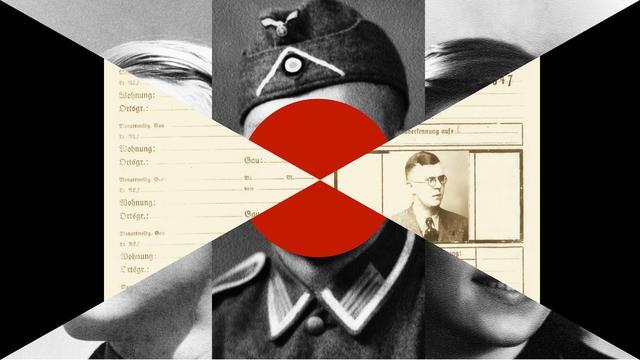
Historian Uwe Danker: 'The father spread that he had prevented worse'
Translated from German, summarized and contextualized by DistantNews.
At a glance
Interview
Sources not specified
Context piece
- Historian Uwe Danker discusses the implications of easily accessible digital archives from the Nazi era.
- He notes that while technology allows for quick research, it doesn't change the historical significance of individuals' actions during that period.
- Danker emphasizes that the focus should remain on understanding the National Socialist era, rather than on potential family lies about past memberships.
Historian Uwe Danker, with over 40 years of experience, highlights the challenges and fascinations of researching Nazi-era family histories through newly accessible digital archives. He notes that while the ease of access is remarkable, it doesn't fundamentally alter the historical interpretation of individuals' actions during that period.
As a historian, I already worked with the card files in Berlin in 1993, when they still belonged to the American Document Center. Against this background, it is of course fascinating that one can now simply bring the files onto the screen.
Danker shares a personal anecdote about discovering his mother's membership in the Nazi Party at age 18, a fact previously unmentioned. However, he dismisses the idea of "inner-family trauma" stemming from such secrets, arguing that the focus should be on the intentions and actions of individuals at the time, not on whether they lied about past affiliations.
This has also changed my personal behavior: I never thought of looking for my mother's name before. I only did that now, and it actually came out completely surprisingly that she became a member of the NSDAP in 1938 at the age of 18.
He points out that with most individuals involved now deceased, the notion of "active liars" regarding party membership is largely moot. For historians like himself, the pursuit is understanding the National Socialist era itself, not necessarily delving into individual family sagas. Danker suggests that while the technology is impressive, the core historical inquiry remains paramount, urging against a focus on potential familial deception over broader historical understanding.
I am not a proponent of the myth of inner-family traumatization, for example, through a silent grandfather or a silent grandmother.
DistantNews Editorial
Originally published by Die Zeit in German. Translated, summarized, and contextualized by our editorial team with added local perspective. Read our editorial standards.
More Stories



From Our Blog

What Gets Lost (and Found) When News Is Translated

How the Same Story Looks Different in Different Countries

The Critical Role of Diaspora Media in Global News

What Travellers Should Know About Countries with Restricted Press

A Digital Nomad's Guide to Following Local News
