


Historic 1,050-Acre Maryland Farm That Hosted a War of 1812 Battle Goes on Sale
Translated from English and summarized by DistantNews. Read the original for the full story.
At a glance
In-depth
Named sources
New plan
- A 1,050-acre farm in Chestertown, Maryland, built in 1743 and held by one family for generations, has been listed for sale.
- The property includes the site of the 1814 Battle of Caulk's Field, where Maryland militia defeated a British landing force and Captain Sir Peter Parker was killed.
- Archaeological surveys have found musket balls, grape shot, buckles, buttons and other military objects beneath the fields.
A Maryland farm that still holds physical traces of a War of 1812 battle has entered the high-end real estate market. The 1,050-acre property in Chestertown includes a colonial-style manor built in 1743 and farmland where Maryland militia fought British forces in August 1814.
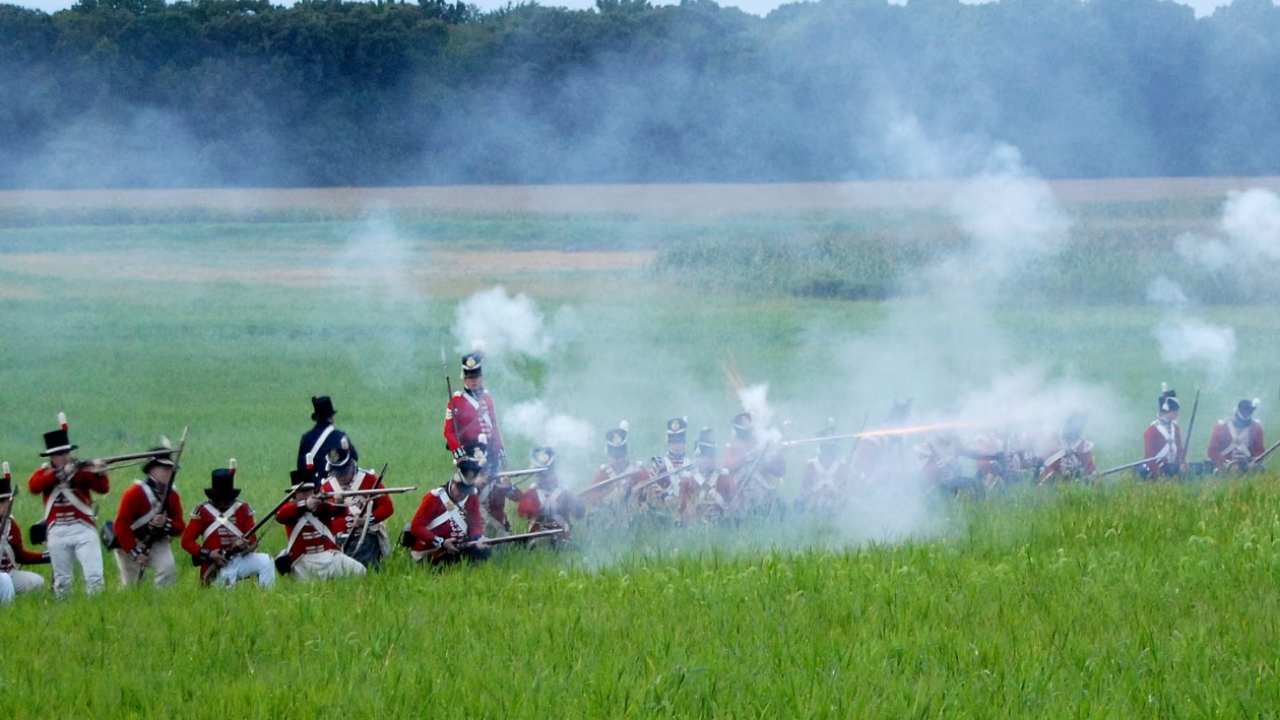
The estate became the site of the Battle of Caulk's Field during a British night raid on Aug. 31, 1814. Captain Sir Peter Parker of HMS Menelaus led more than 100 sailors and marines across the open fields, while Lieutenant Colonel Philip Reed positioned about 170 men from the 21st Maryland Regiment on a high ridge.
Musket fire and field artillery forced the British landing party to retreat. Parker died during the fighting, and the battle became one of the few land victories achieved by local militia on Maryland's Eastern Shore during the 1814 campaign.
The battlefield remained in agricultural use rather than being covered by roads or buildings. That continuity helped preserve objects beneath the soil for more than two centuries. Archaeologists and metal-detector researchers have found lead musket balls, fired grape shot, brass belt buckles, uniform buttons and iron equipment, using their locations to reconstruct parts of the battle.
The brick house retains much of its original design, including timber beams and historic masonry. The estate also contains working farmland, mature woodland and waterways linked to the Chesapeake Bay watershed. It is described as one of Kent County's largest remaining connected areas of colonial-era land, with much of the landscape protected from heavy modern development by generations of family ownership.
About this summary
Originally published by Times of India in English. Translated, summarized, and contextualized automatically by DistantNews, with a note on how the source frames the story. Not individually reviewed before publishing. How this works.
More Stories



From Our Blog

What Press Freedom Means for the News You Read

What Gets Lost (and Found) When News Is Translated

The Critical Role of Diaspora Media in Global News

What Travellers Should Know About Countries with Restricted Press

A Digital Nomad's Guide to Following Local News
