

Historic Sugar Beet Harvest Failure Feared in Germany Amid Drought
Translated from German, summarized and contextualized by DistantNews.
At a glance
News
From a news agency
Context piece
- Farmers in Southern Germany anticipate the worst sugar beet harvest since reunification due to drought, heat, and disease.
- The Verband Süddeutscher Zuckerrübenanbauer expects a one-third drop in sugar production compared to last year.
- Poor harvests in other major European growing regions like France are expected to impact consumer prices.
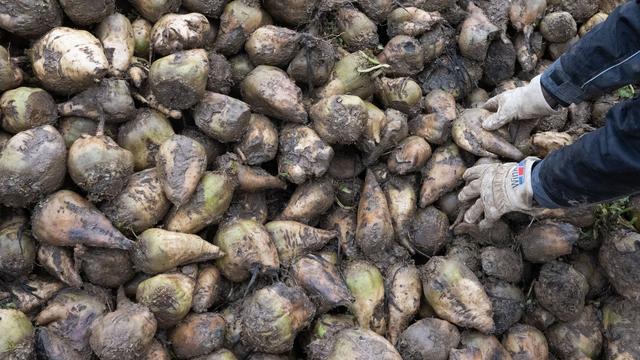
Southern Germany is bracing for a historically poor sugar beet harvest, with farmers anticipating the lowest yields since reunification. The Verband Süddeutscher Zuckerrübenanbauer (VSZ) in Ochsenfurt predicts a one-third reduction in sugar production compared to the previous year.
Paul-Martin Pfeuffer, the VSZ's managing director, stated that the combination of extreme heat, persistent drought, and widespread diseases is severely impacting the sugar beet crops. "When key growing regions falter, we expect a reaction," Pfeuffer noted, referencing similar adverse conditions in France, Europe's largest beet-growing nation.
When key growing regions falter, we expect a reaction.
While the peak summer months are crucial for sugar beet development, many plants have ceased growing due to the ongoing drought. Even in areas with normally reliable water sources, the crops are showing significant signs of stress. Furthermore, diseases such as SBR and Stolbur are spreading, weakening the plants' resistance and reducing the sugar content extractable from the beets, which are developing a rubbery consistency.
The economic pressure on farmers is immense, especially as other crop yields are also proving difficult. The VSZ, representing nearly 10,000 beet farmers across approximately 100,000 hectares in several German states, does not release specific production figures for competitive reasons. However, the expected decline in yield is anticipated to affect consumer prices.
We expect the lowest harvest since reunification.
DistantNews Editorial
Originally published by Die Zeit in German. Translated, summarized, and contextualized by our editorial team with added local perspective. Read our editorial standards.
More Stories



From Our Blog

What Gets Lost (and Found) When News Is Translated

How the Same Story Looks Different in Different Countries

The Critical Role of Diaspora Media in Global News

What Travellers Should Know About Countries with Restricted Press

A Digital Nomad's Guide to Following Local News
