


Ho Chi Minh City Approves Land for BT Projects to Unlock Capital
Translated from Vietnamese, summarized and contextualized by DistantNews.
TLDR
- Ho Chi Minh City's City Council approved a list of 33 land plots to be used for payment to investors in build-transfer (BT) projects.
- This decision aims to resolve financial bottlenecks and unlock frozen capital by converting land assets into infrastructure.
- The process requires fair valuation of land and ensures project quality and clear responsibilities from both the state and investors to avoid negative consequences.
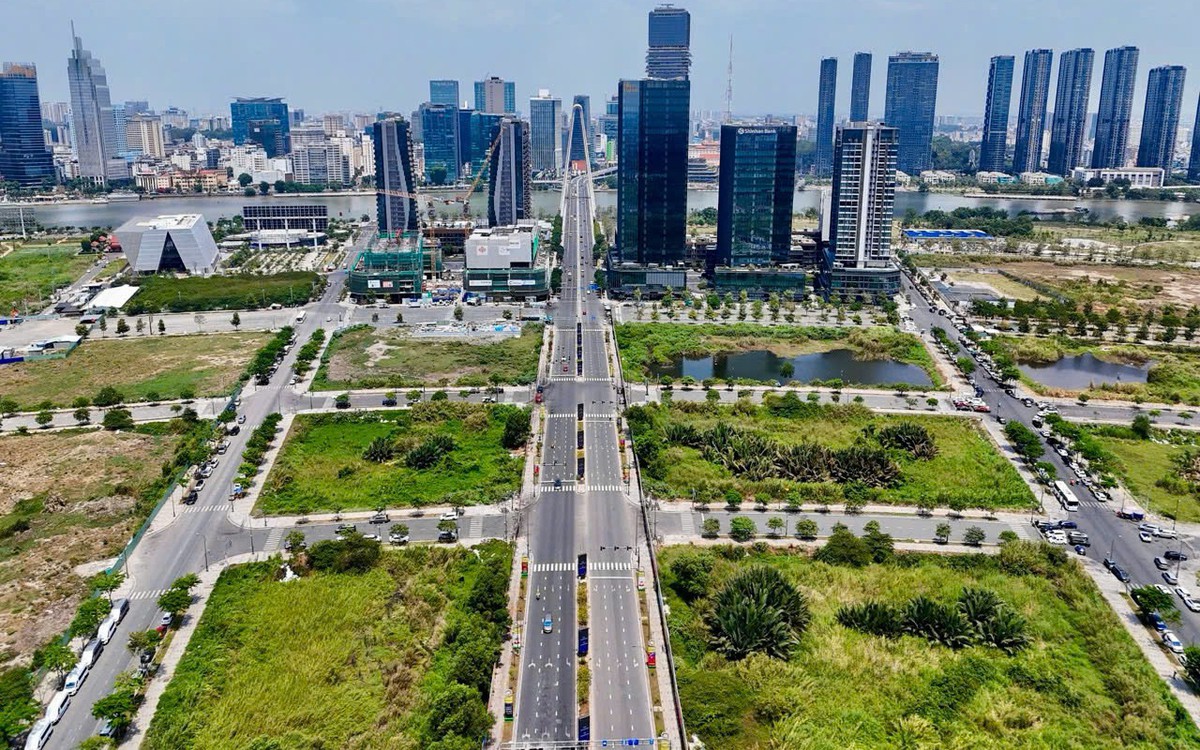
The Ho Chi Minh City People's Council's recent approval of 33 land plots for build-transfer (BT) projects marks a significant step in addressing the city's financial challenges. This move is not merely a financial maneuver but a crucial 'major surgery' to unfreeze capital tied up in land assets. Vietnam desperately needs capital, and this strategy, when executed correctly, offers a viable path forward. The core of this strategy lies in a fair and transparent redefinition of the land-for-infrastructure exchange. Both land and infrastructure are public assets. Utilizing land use rights to pay for infrastructure projects is essentially a transformation of asset form – from potential to direct service for the public good. Land that lies fallow and undeveloped, regardless of its prime location, holds no real value. However, when this land becomes 'counter-capital' for infrastructure development, it transforms into a valuable asset contributing to economic growth. Public assets are not lost; they merely change form to enhance economic efficiency. The urgency to generate productive capacity is the primary driver for this process. Completed BT projects will reduce logistics costs, shorten goods transit times, and, most importantly, open up new development spaces, revitalizing previously underdeveloped areas. This connectivity fosters new productive forces, attracts secondary investment, and creates jobs for millions. This lesson is vital not only for Ho Chi Minh City but for the entire nation as we aim for double-digit growth. However, for this exchange to truly benefit the community without leaving painful legacies, two critical 'rights' must be met. Firstly, the land valuation must be absolutely transparent, ensuring a balance of interests among the state, investors, and citizens. These 33 plots, even those with current complications or liquidity issues, must be assessed objectively through a market lens. The second 'right' concerns project quality and mutual responsibility. The state must provide a clear 'brief' for the projects, forming the basis for both parties' execution. Many stalled or delayed BT projects are not solely due to weak enterprises but often stem from a tangled web of legal issues, land acquisition, and handover problems. Conversely, selected enterprises must possess genuine capability, not just secure land rights and then leave them idle. With clearly defined responsibilities, any party at fault must be held accountable without leniency. Only with fairness in responsibility and sanctions can we expect projects that match the 'golden' value of the land exchanged. Ultimately, this is about ensuring that public assets are managed effectively for the benefit of the economy and the people.
DistantNews Editorial
Originally published by Tuổi Trẻ in Vietnamese. Translated, summarized, and contextualized by our editorial team with added local perspective. Read our editorial standards.
More Stories



From Our Blog

What Gets Lost (and Found) When News Is Translated

The Critical Role of Diaspora Media in Global News

What Travellers Should Know About Countries with Restricted Press

A Digital Nomad's Guide to Following Local News

How the Same Story Looks Different in Different Countries
