

Ho Chi Minh City Converts 29 Communes into Wards
Translated from Vietnamese, summarized and contextualized by DistantNews.
At a glance
News
Sources not specified
New plan
- Ho Chi Minh City is converting 29 communes into wards to improve urban management and infrastructure investment.
- These communes meet all nine criteria set by the National Assembly Standing Committee for urban administrative unit establishment.
- The transition is expected to provide more resources and personnel to better serve residents in rapidly urbanizing suburban areas.
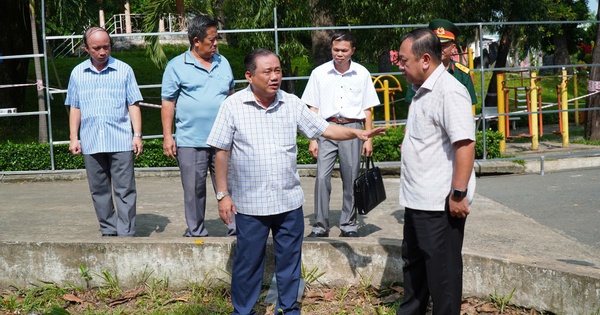
Ho Chi Minh City is transforming 29 communes into wards, a move aimed at enhancing urban management and bolstering infrastructure development. This administrative shift is driven by the communes meeting all nine criteria stipulated by the National Assembly Standing Committee for establishing urban administrative units.
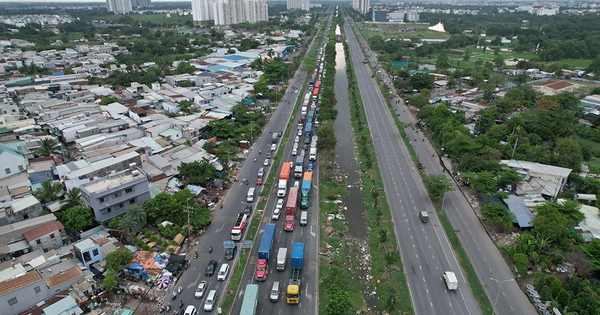
The conversion presents an opportunity for these areas to refine their urban management models and secure additional personnel and resources for infrastructure improvements. Many of these communes, particularly those in the former Binh Chanh district, have experienced significant urbanization, with some boasting populations comparable to former districts. For instance, Binh Hung commune has nearly 184,000 residents, while Ba Diem and Dong Thanh communes each exceed 200,000.
The conversion of communes into wards in Ho Chi Minh City this time is an opportunity for the locality to perfect the urban management model, have more personnel and resources to invest in infrastructure.
Previously, these densely populated and economically active communes were constrained by rural administrative frameworks, leading to an overburdened system. The establishment of wards is expected to alleviate these pressures. Hiep Phuoc commune, for example, now covers over 63 square kilometers with more than 75,000 residents after merging three former communes. Its leaders anticipate that becoming a ward will unlock more resources and improve public services.
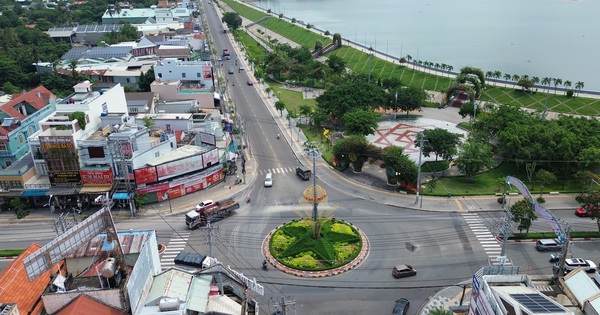
Similarly, Binh Chanh commune, with its 80,000 residents and strategic location as a gateway to the Mekong Delta, has developed rapidly. The transition to ward status is seen as a crucial step to align its administrative structure with its economic and urban development, facilitating better integration with the city's growth corridors and improving its role in transportation and trade.
The commune is developing its industry linked to the seaport, leveraging its natural advantages. When it becomes a ward, the locality will have more human resources to serve the people better.
DistantNews Editorial
Originally published by Thanh Niên in Vietnamese. Translated, summarized, and contextualized by our editorial team with added local perspective. Read our editorial standards.
More Stories

From Our Blog

What Gets Lost (and Found) When News Is Translated

The Critical Role of Diaspora Media in Global News

What Travellers Should Know About Countries with Restricted Press

A Digital Nomad's Guide to Following Local News

How the Same Story Looks Different in Different Countries
