

Ho Chi Minh City proposes salary, housing autonomy to attract talent
Translated from Vietnamese, summarized and contextualized by DistantNews.
At a glance
News
Official statement
New plan
- Ho Chi Minh City may soon have the authority to decide salary and housing policies to attract talented professionals.
- A draft urban development law proposes special mechanisms for major cities like Ho Chi Minh City to attract and utilize high-caliber human resources.
- The National Assembly's Standing Committee is reviewing the draft law, focusing on decentralized power and control mechanisms.
Ho Chi Minh City could soon gain significant autonomy in setting salary and housing policies to attract top talent, under a proposed urban development law. The draft legislation aims to provide special mechanisms for major cities, particularly Ho Chi Minh City, to foster the development of high-caliber human resources.
The draft law specifically dedicates an article to attracting, utilizing, and developing human capital. It empowers the People's Council to decide on salary, remuneration, bonuses, and other income schemes for civil servants, public employees, and workers within the city. This includes policies on recruitment, training, and other benefits, alongside housing and residency arrangements.
These special provisions are designed to attract experts, scientists, managers, chief engineers, architects, and individuals with high-level expertise in the city's priority development sectors. The law also seeks to create mechanisms for foreign experts, scientists, entrepreneurs, investors, and highly skilled workers, facilitating their work permits and residency.
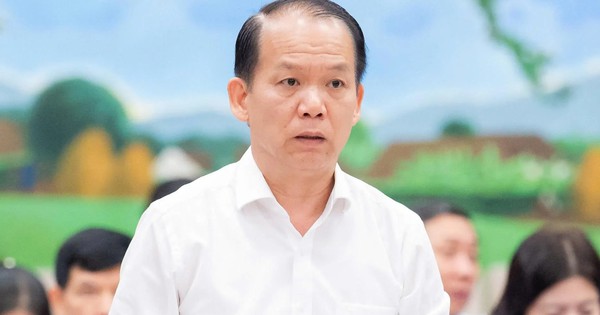
The National Assembly's Standing Committee is reviewing the draft, generally agreeing on its necessity but urging clarification on its focus for Ho Chi Minh City and other special urban areas. Committee Chairman Tran Thanh Man emphasized that decentralization must be paired with power control, stating the law should create a legal framework for urban development for decades to come, rather than merely formalizing existing special mechanisms.
We are not building a law to legitimize existing special mechanisms, but to create a legal framework with sufficient stature to guide urban development for decades to come.
DistantNews Editorial
Originally published by Thanh Niên in Vietnamese. Translated, summarized, and contextualized by our editorial team with added local perspective. Read our editorial standards.
More Stories

From Our Blog

What Gets Lost (and Found) When News Is Translated

The Critical Role of Diaspora Media in Global News

What Travellers Should Know About Countries with Restricted Press

A Digital Nomad's Guide to Following Local News

How the Same Story Looks Different in Different Countries
