

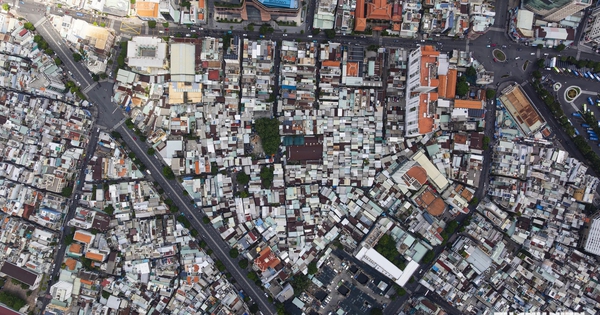

Ho Chi Minh City's master plan needs to account for climate change and logistics
Translated from Vietnamese, summarized and contextualized by DistantNews.
At a glance
News
Named sources
Context piece
- Ho Chi Minh City officials and experts discussed the city's master plan for 2025-2050, focusing on resilience to climate change and multi-modal logistics.
- Suggestions included developing resilient growth centers in high-resistance areas and controlling development in high-risk zones.
- Experts also called for improved public transport, especially in suburban and tourist areas, and a dedicated plan for the Saigon River's development.
Ho Chi Minh City's draft master plan for 2025-2050, with a 100-year vision, faced public feedback sessions where participants urged a more robust approach to climate change resilience and diversified urban development. Experts stressed the need to plan for varying territorial spaces and the capacity to withstand climate impacts. GS-TS Nguyen Van Phuoc, Chairman of the Ho Chi Minh City Union of Science and Technology Associations, advocated for strategic placement of growth centers in areas with high climate resilience. Conversely, he proposed strict controls on population density and development scale in regions facing significant risks. This approach aims to ensure sustainable growth while mitigating potential damage from environmental shifts. Architect Ngo Viet Nam Son highlighted the importance of a multi-modal logistics system to connect the city's polycentric model. He noted that current logistics costs in Ho Chi Minh City exceed production costs, hindering efficiency. Reducing these costs, he argued, would be a key driver for achieving double-digit growth and would also aid in urban renewal, potentially allowing for the relocation of ports like Cat Lai to areas such as Cai Mep or Can Gio. Concerns were also raised about public transportation, with Nguyen Duc Lap, Vice Chairman of the Ho Chi Minh City Architects Association, suggesting that current plans overemphasize the city core and neglect surrounding areas and tourist destinations. He proposed expanding green transportation networks city-wide, including connections to tourist spots like Con Dao and Vung Tau, to encourage public transit use. Additionally, the plan must account for future flooding risks by defining appropriate elevation levels.
Reducing significantly logistics costs will be an important driver for the goal of double-digit growth.
DistantNews Editorial
Originally published by Thanh Niên in Vietnamese. Translated, summarized, and contextualized by our editorial team with added local perspective. Read our editorial standards.
More Stories

From Our Blog

What Gets Lost (and Found) When News Is Translated

The Critical Role of Diaspora Media in Global News

What Travellers Should Know About Countries with Restricted Press

A Digital Nomad's Guide to Following Local News

How the Same Story Looks Different in Different Countries
