

Ho Chi Minh City Transforms Healthcare with Lifelong Management Model Centered on Community Stations
Translated from Vietnamese, summarized and contextualized by DistantNews.
At a glance
News
Sources not specified
Context piece
- Ho Chi Minh City's Health Department is implementing a new model for lifelong health management, centering on community health stations (TYT).
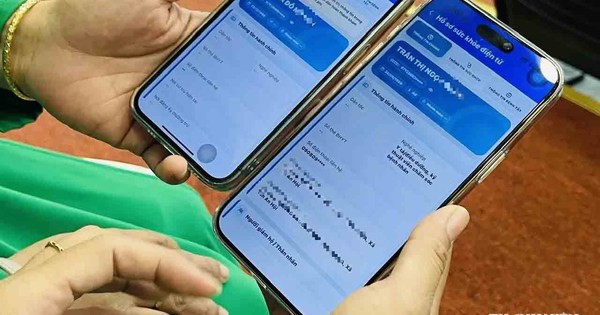
- Under this model, 100% of residents will undergo regular health check-ups by 2026, with data stored in electronic health records (HSSKĐT) for continuous monitoring.
- The initiative shifts from a reactive to a proactive healthcare approach, with health stations actively engaging with residents to manage chronic conditions and promote preventative care.
Ho Chi Minh City is embarking on a significant transformation of its healthcare system, shifting towards a lifelong health management model with community health stations (TYT) at its core. This initiative aims to move beyond episodic care to a proactive, continuous approach to resident well-being.
By the end of 2026, the city plans for all residents across 168 wards and communes to receive regular health check-ups. The results will be meticulously recorded in electronic health records (HSSKĐT), creating a comprehensive, lifelong health profile for each individual. This data will be integrated with existing medical facility records, enabling the TYT to manage the entire population within their jurisdiction. They will know who is healthy, who is at risk, who has chronic conditions, and who is adhering to or deviating from treatment plans.
This represents a fundamental change for grassroots healthcare, moving from a "wait for the patient to come" model to "proactively reaching out to the people." It also signifies a transition from short-term symptom treatment to lifelong health management and disease prevention, and from paper-based records to smart health management tools.
The nationwide health check-up program is not just a large-scale screening, but an important step in building a lifelong health management model for the people, with community health stations playing a central role in the community.
The TYT will operate in close coordination with regional hospitals and medical centers, forming a collaborative network. The TYT will handle initial health management, while hospitals will provide specialized support, remote consultations, and training. Patients who stabilize will be referred back to their local TYT for ongoing long-term management.
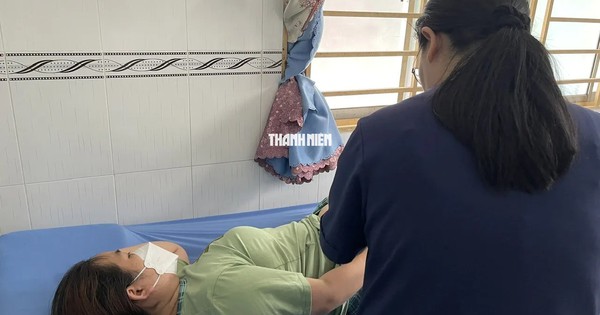
To facilitate this, the Department of Health has piloted a continuous healthcare team model. These teams will visit households directly to update electronic health records, offer nutritional and exercise advice, monitor chronic illnesses, conduct health education, and connect residents with the broader healthcare system. Early results from 33 participating wards show these teams have reached thousands of households, identified numerous chronic conditions, and facilitated necessary medical referrals, indicating a promising shift in public health awareness and management.
This is a fundamental transformation of grassroots healthcare from a 'wait for the patient to come' model to a 'proactively reach out to the people' model; from short-term symptom treatment to lifelong health management and disease prevention; from management by paper records to management by electronic health records and smart health tools.
DistantNews Editorial
Originally published by Thanh Niên in Vietnamese. Translated, summarized, and contextualized by our editorial team with added local perspective. Read our editorial standards.
More Stories


From Our Blog

What Gets Lost (and Found) When News Is Translated

The Critical Role of Diaspora Media in Global News

What Travellers Should Know About Countries with Restricted Press

A Digital Nomad's Guide to Following Local News

How the Same Story Looks Different in Different Countries
