


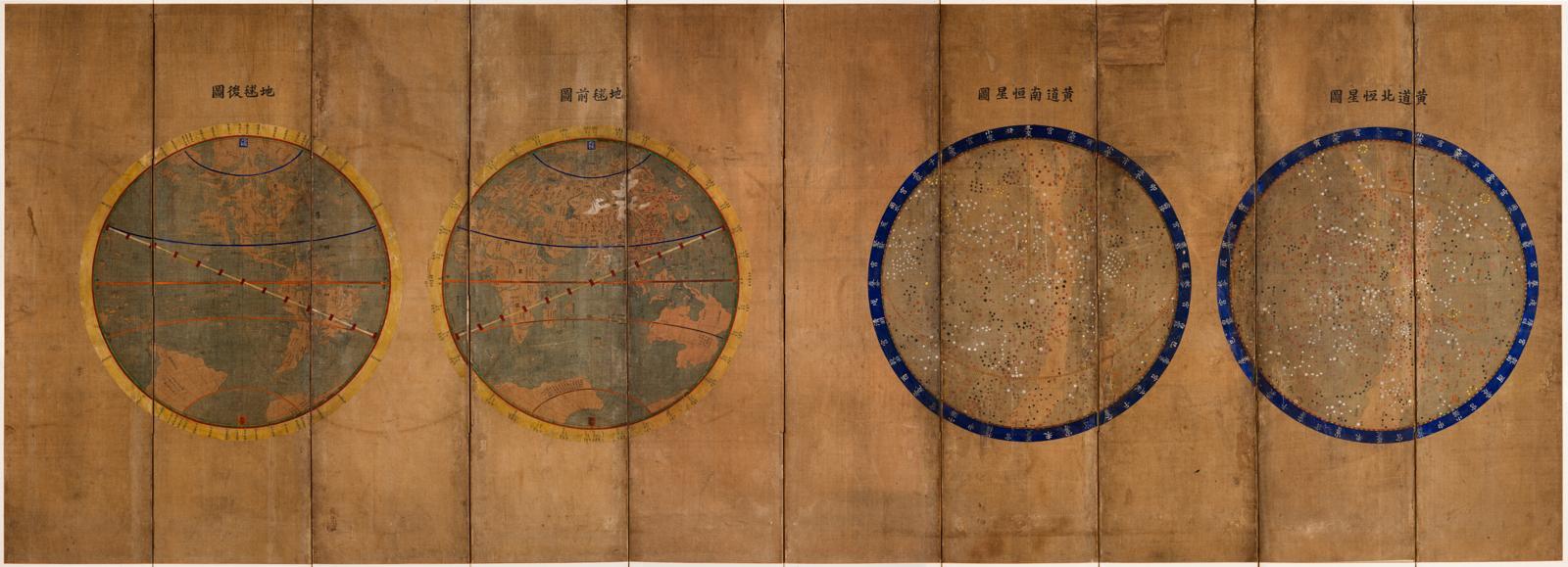
Horim Museum explores the ancient Korean view of time as a cycle
Translated from Korean and summarized by DistantNews. Read the original for the full story.
At a glance
In-depth
Sources not specified
New plan
- The Horim Museum’s Sinsa branch in Seoul is opening a special exhibition examining traditional Korean ideas about time.
- The exhibition contrasts modern linear time with older views of time as a recurring cycle and pairs historical themes with contemporary art.
Time did not always move in a straight line. A special exhibition at Seoul’s Horim Museum examines how Korea’s ancestors understood time as a cycle reflected in daily life, the seasons, nature and the universe.
The exhibition, titled “Time,” opens at the museum’s Sinsa branch in Gangnam District. It takes its starting point from a passage in the 1804 publication “Annotated Thousand Character Classic,” which describes space as the four directions and time as the past and present. Together, they form the universe, or the world people inhabit.
Its most distinctive feature is the inclusion of contemporary artworks connected to each section’s theme. Visitors can therefore see how older ideas about time appear in art today.
The first section, “Cycle: Time That Returns,” explores recurring patterns such as the return of each day and the four seasons as they circle through the year. The exhibition presents these ideas as a contrast to the modern assumption that time naturally flows from the past to the present and then into the future.
When the inside of heaven and earth is described in terms of space, it becomes the four directions, and when described in terms of time, the past and present become the universe.
About this summary
Originally published by Dong-A Ilbo in Korean. Translated, summarized, and contextualized automatically by DistantNews, with a note on how the source frames the story. Not individually reviewed before publishing. How this works.
More Stories


From Our Blog

What Gets Lost (and Found) When News Is Translated

The Critical Role of Diaspora Media in Global News

What Travellers Should Know About Countries with Restricted Press

A Digital Nomad's Guide to Following Local News

How the Same Story Looks Different in Different Countries
