

Hormuz after truce: Washington hesitates, Tehran consolidates
Summarized and contextualized by DistantNews.
At a glance
Analysis
Sources not specified
Context piece
- The U.S. faces a fragile stalemate in the Gulf following airstrikes against Iran, with Washington hesitant to escalate.
- While negotiation is preferred, intensified naval blockades and sanctions are also considered tools of coercion.
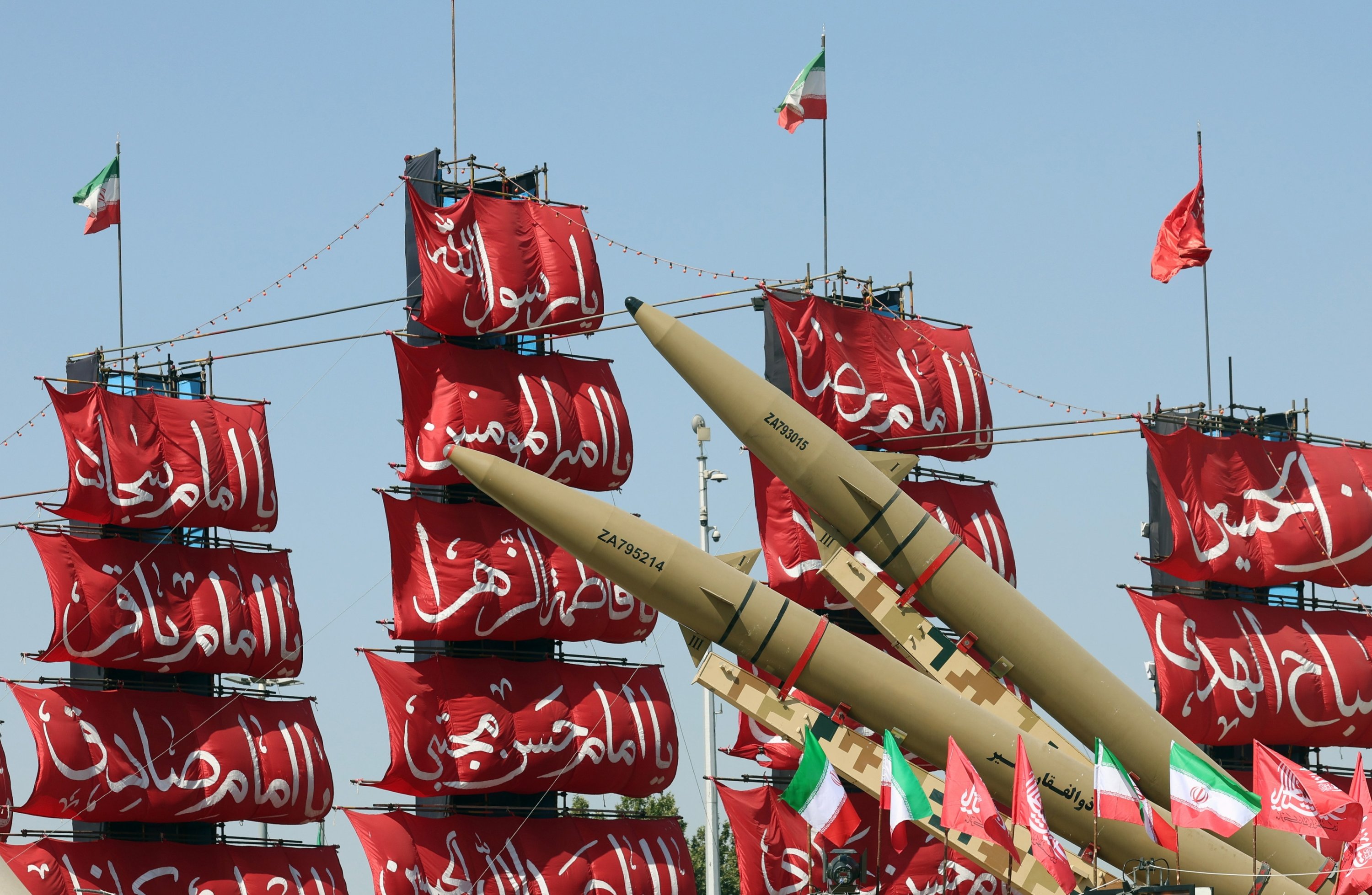
- Iran is consolidating its position, reading U.S. military developments as indicators of a potential broader operation.
The Gulf region remains in a state of fragile equilibrium following U.S. airstrikes against southern Iran, with Washington exhibiting hesitation to escalate further. The July strikes demonstrated how quickly the situation could intensify, highlighting the narrow margin between the current pause and renewed conflict. Despite this, the U.S. objective of pressuring Iran over the Strait of Hormuz persists.
While President Trump favors negotiation, the U.S. is also employing intensified naval blockades and stricter economic sanctions as methods of coercion. Large-scale military action is considered a last resort due to the significant costs and risks, particularly the potential for severe Iranian retaliation against regional allies rather than solely American assets. However, within the U.S. military, there is a differing view advocating for a more expansive campaign.
Institutional developments, such as CENTCOM's planned Task Force Falcon Strike, a multinational drone formation, and the continuation of the naval blockade, suggest a potential for a comprehensive U.S. operation. These indicators, combined with potential military support from Gulf states, raise the probability of such an escalation. Tehran, observing these developments, appears to be consolidating its position in response.
Iran perceives these U.S. military preparations, including the establishment of new drone formations and ongoing naval activities, as signals of a potential larger-scale operation. The situation underscores the complex and volatile nature of the U.S.-Iran confrontation in the Gulf, where diplomatic efforts are intertwined with military posturing and the constant threat of renewed conflict.
DistantNews Editorial
Originally published by Daily Sabah. Summarized and contextualized by our editorial team with added local perspective. Read our editorial standards.
More Stories


From Our Blog

What Gets Lost (and Found) When News Is Translated

The Critical Role of Diaspora Media in Global News

What Travellers Should Know About Countries with Restricted Press

A Digital Nomad's Guide to Following Local News

How the Same Story Looks Different in Different Countries
