


Hormuz Crossings Rise Slightly but Remain Low
Translated from English, summarized and contextualized by DistantNews.
At a glance
News
Documents & data
Context piece
- Ship crossings in the Strait of Hormuz remained low on Monday, with only six vessels transiting, well below the 10-day average.
- The slight increase from the weekend did not include large crude carriers or LNG tankers, indicating continued subdued activity.
- Some vessels may be transiting with transponders switched off, meaning the actual number of crossings could be higher.
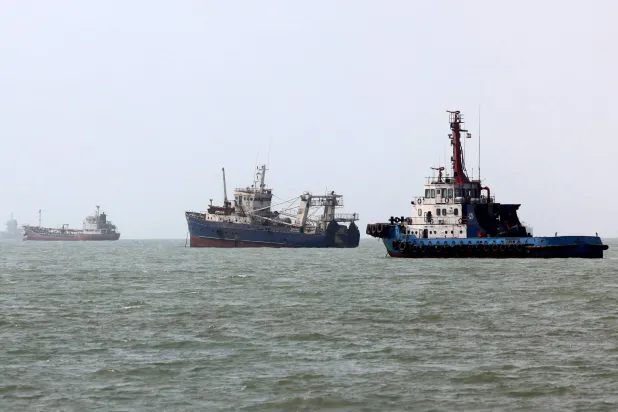
Ship traffic through the Strait of Hormuz remained minimal on Monday, with preliminary data indicating only six vessels transited the crucial waterway. This figure represents a slight increase from the weekend's two and three crossings but remains significantly below the 10-day average of 11 ships. The subdued activity occurs amidst ongoing diplomatic stalemate between the United States and Iran.
Notably, none of the transiting vessels on Monday were very large crude carriers or tankers carrying liquefied natural gas (LNG), according to Reuters. This suggests a continued lull in the movement of major energy shipments through the chokepoint. The data also indicates that some vessels might be navigating the strait with their tracking transponders deactivated, meaning the official tally could be an undercount of the actual traffic.
Among the six ships recorded, three were exiting the Persian Gulf and three were entering. Kpler shiptracking data identified specific vessel types, including a gas carrier (VLGC) Xavia entering the Gulf in ballast (empty). VLGCs are typically employed for transporting liquefied petroleum gases like propane and butane. Additionally, a medium-range fuel tanker and an intermediate-range tanker entered the Gulf, while a medium-sized LPG carrier, a Panamax bulk carrier, and a Panamax-sized fuel tanker exited the waterway.
DistantNews Editorial
Originally published by Asharq Al-Awsat in English. Translated, summarized, and contextualized by our editorial team with added local perspective. Read our editorial standards.
More Stories


From Our Blog

What Gets Lost (and Found) When News Is Translated

The Critical Role of Diaspora Media in Global News

What Travellers Should Know About Countries with Restricted Press

A Digital Nomad's Guide to Following Local News

How the Same Story Looks Different in Different Countries
