


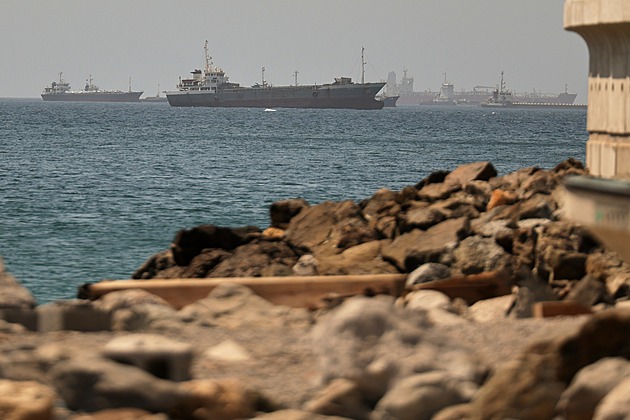
Hormuz reopening offers relief, but global economy still faces challenges
Translated from Czech, summarized and contextualized by DistantNews.
At a glance
Analysis
Sources not specified
Context piece
- Experts warn that even with the potential reopening of the Strait of Hormuz, the global economy will feel the effects of the recent Middle East conflict for months.
- Supply chain disruptions caused by oil and gas shortages will take time to recover, extending beyond days or weeks.
- While the reopening offers relief, full economic recovery remains uncertain.
The global economy faces a prolonged recovery period despite the anticipated reopening of the Strait of Hormuz, according to experts. The recent conflict in the Middle East, which disrupted oil and gas supplies, has had far-reaching consequences on supply chains worldwide. These disruptions will continue to impact the economy for several more months, with recovery taking longer than just days or weeks. While the unblocking of this crucial waterway offers some relief, the full restoration of stable supply chains and economic normalcy is not yet assured. The lingering effects of the conflict underscore the fragility of global energy markets and their interconnectedness.
Experts emphasize that the damage to global supply chains is significant. The intermittent supply of oil and natural gas has affected numerous industries, leading to price volatility and production challenges. Re-establishing these flows and stabilizing markets requires sustained effort and time. The immediate relief from Hormuz's reopening is a positive step, but it does not erase the underlying economic damage already inflicted. The world economy must brace for a gradual and potentially uneven recovery process.
DistantNews Editorial
Originally published by iDNES in Czech. Translated, summarized, and contextualized by our editorial team with added local perspective. Read our editorial standards.
More Stories

From Our Blog

What Gets Lost (and Found) When News Is Translated

The Critical Role of Diaspora Media in Global News

What Travellers Should Know About Countries with Restricted Press

A Digital Nomad's Guide to Following Local News

How the Same Story Looks Different in Different Countries
