


Hormuz traffic around 30 vessels per day... 'Volatile but recovering'
Translated from Korean, summarized and contextualized by DistantNews.
At a glance
News
From a news agency
Context piece
- Shipping traffic in the Strait of Hormuz is showing signs of recovery, with around 30 vessels passing daily.
- Despite fluctuations, traffic has approached levels seen before a recent increase, though still far below pre-war averages.
- The strait is a critical global oil trade route, with Iran's control remaining a significant variable.
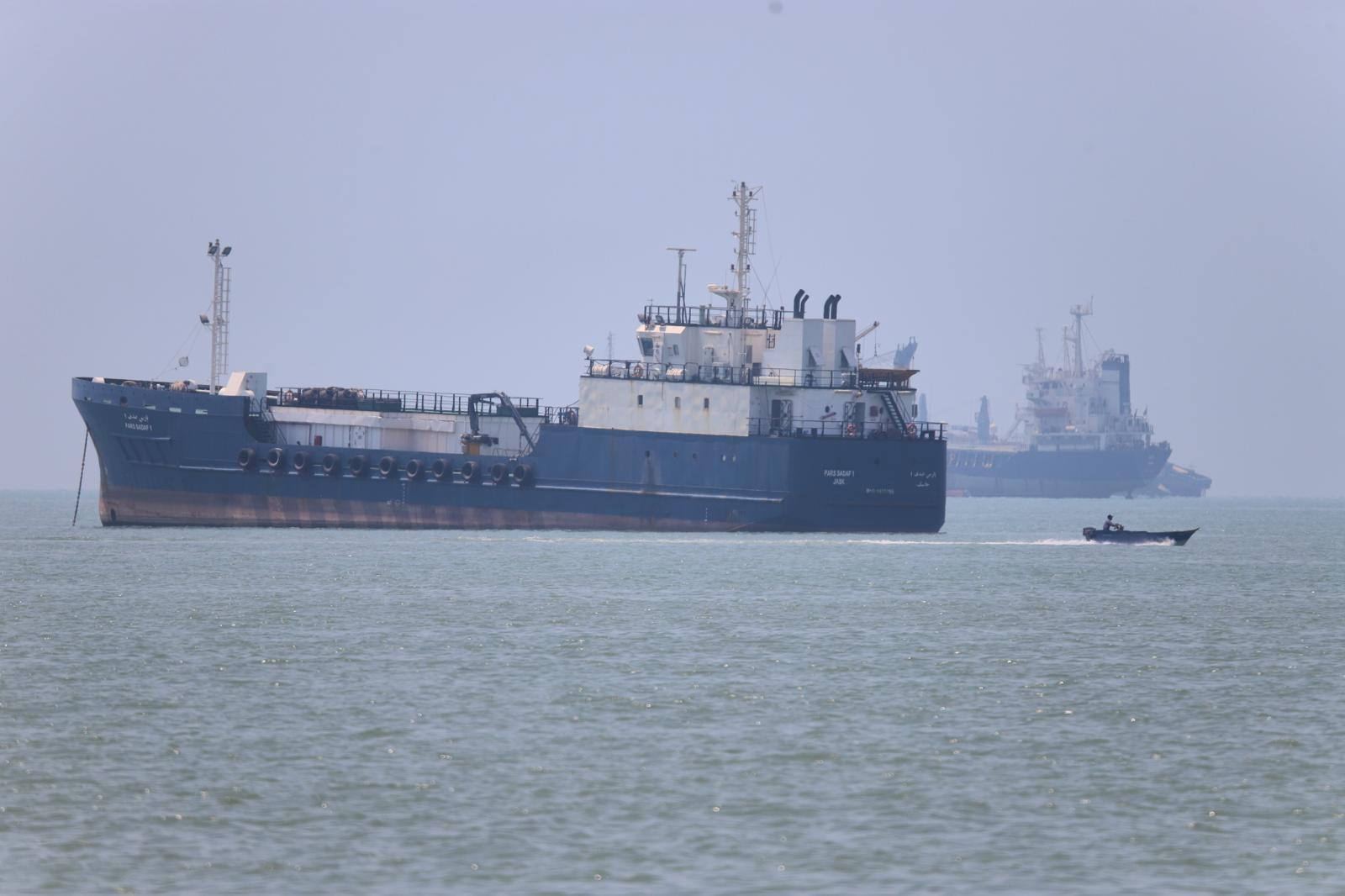
Maritime traffic through the Strait of Hormuz is demonstrating a cautious but noticeable recovery, according to maritime information firms. On June 22, approximately 26 vessels transited the strait, nearing the daily average of 30 ships observed around June 18. This uptick follows a period of increased activity, with 71 vessels recorded between June 19 and 21, peaking at 35 on June 20.
However, daily fluctuations remain significant. While traffic has improved since a memorandum of understanding was signed between the U.S. and Iran, uncertainty persists. Iran's declaration of a potential re-closure of the strait on June 20, in response to an Israeli airstrike in Lebanon, heightened concerns. Despite this, the U.S. and Iran have engaged in high-level talks, agreeing to establish a continuous communication channel to ensure safe navigation.
Since the signing of the memorandum of understanding, traffic has been recovering cautiously but clearly, although daily volatility remains high.
The Strait of Hormuz is a vital artery for global trade, handling about 20% of the world's oil. Before recent escalations, an average of approximately 130 vessels passed through daily. Analysts note that while the establishment of a U.S.-Iran hotline is positive, Iran's control over the strait remains a crucial bargaining chip in negotiations.
Although Iran mentioned blocking the strait in the past, this time it did not lead to attacks on ships. The establishment of a hotline between the U.S. and Iran is positive, but control over the Strait of Hormuz remains an important bargaining chip for Iran.
DistantNews Editorial
Originally published by Dong-A Ilbo in Korean. Translated, summarized, and contextualized by our editorial team with added local perspective. Read our editorial standards.
More Stories



From Our Blog

What Gets Lost (and Found) When News Is Translated

The Critical Role of Diaspora Media in Global News

What Travellers Should Know About Countries with Restricted Press

A Digital Nomad's Guide to Following Local News

How the Same Story Looks Different in Different Countries
