



Hormuz Will Stay Open If US Stops Threatening or Attacking Iran, Security Chief Says
Translated from English and summarized by DistantNews. Read the original for the full story.
At a glance
News
Official statement
Ongoing story
- Iran's Supreme National Security Council Secretary Mohsen Rezaei said Tehran would keep the Strait of Hormuz open if the United States stopped threatening or attacking Iran.
- He said Iran would establish a new restricted maritime area outside the strait and place ships entering it on a sanctions list.
- Rezaei also said Iranian forces had identified US targets they chose not to strike and claimed Hezbollah had retained the upper hand in its conflict with Israel.
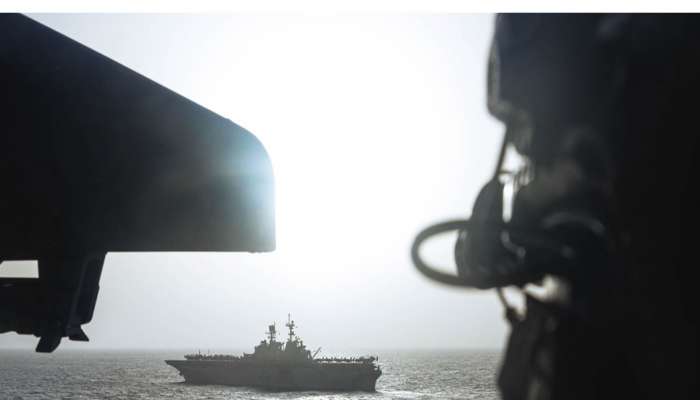
Iran is tying the future of shipping through the Strait of Hormuz directly to Washington's military posture. Mohsen Rezaei, secretary of Iran's Supreme National Security Council, said Tehran would keep the strategic waterway open if the United States stopped threatening or attacking Iran.
Iran will commit to keeping the Strait of Hormuz open when the US neither threatens nor attacks Iran.
In an interview with Iranian state broadcaster IRIB, Rezaei also announced plans for a new restricted maritime area outside the strait in the coming days. He said the zone could extend into parts of the Arabian Gulf, beginning at what he described as the US naval blockade line. Ships entering the area, he warned, would be placed on a sanctions list.
The remarks came amid heightened tensions over shipping through the waterway during the conflict in West Asia. Rezaei said Iranian forces had identified several American military targets but had deliberately refrained from attacking some of them, including the Titan base in Jordan and US bases in Erbil.
Any ship entering this new area will be placed on the sanctions list.
He said Iran's earlier attacks on US positions had contributed to a change in Washington's approach to the conflict. Rezaei also discussed Lebanon and Hezbollah's role in the fighting with Israel, particularly in the south. He argued that wars should not be judged only through consecutive victories and defeats, saying, “In no war does victory after victory and defeat after defeat make sense; wars have ups and downs.”
In no war does victory after victory and defeat after defeat make sense; wars have ups and downs.
Rezaei maintained that Hezbollah had held the upper hand throughout the conflict despite sustained Israeli military pressure. “The upper hand has always been with Lebanon's Hezbollah,” he said.
The upper hand has always been with Lebanon's Hezbollah.
About this summary
Originally published by Times of Oman in English. Translated, summarized, and contextualized automatically by DistantNews, with a note on how the source frames the story. Not individually reviewed before publishing. How this works.
More Stories

From Our Blog

News in Translation: What Gets Lost, and How We Keep the Framing

Diaspora Media: How Communities Follow News From Home

Traveling Where the Press Is Not Free: How to Read the News There

The Digital Nomad's Guide to Local News

The Same Story, Different Countries: How Coverage Changes at the Border
