


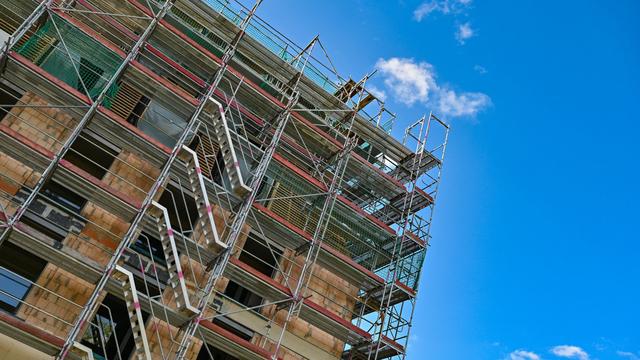
Housing Construction Becomes Increasingly Expensive in Germany
Translated from German, summarized and contextualized by DistantNews.
At a glance
News
Sources not specified
Context piece
- Construction costs for residential buildings in Germany rose by 5% in May compared to the previous year, accelerating from a 3.3% increase in February.
- Higher prices for raw materials, including concrete, roofing, and wood, as well as energy costs, are being passed on to consumers.
- The German government is exploring measures like digitalization and simplified standards to reduce building costs and address housing shortages.
Building a home in Germany is becoming increasingly expensive, with prices for new conventional residential buildings climbing significantly. In May, costs rose by 5% compared to the same month last year, a marked acceleration from the 3.3% increase observed in February, according to the Federal Statistical Office in Wiesbaden.
This price surge affects all areas of construction. Raw material costs saw a nearly 5% year-on-year increase in May. Specifically, concrete work became 3.6% more expensive, and masonry work rose by 3.8%. More substantial increases were seen in roofing, carpentry, and timber construction, which all experienced a 7.3% price hike. Additionally, finishing work, including heating systems and heat pumps, became 5.1% costlier, while metal construction prices grew by 4.4%.
Building in Germany is becoming increasingly expensive.
These rising construction prices, already impacted by the war in Ukraine, have been further exacerbated by the conflict in Iran. This has driven up the cost of materials like bitumen, steel, and insulation, as well as energy expenses. Construction companies are consequently passing these increased costs onto their customers.
High costs are one of the main reasons for the stalled new construction and housing shortage in Germany.
High construction costs are identified as a primary reason for the stagnation in new housing construction and the resulting housing shortage in Germany. This situation is placing particular pressure on rents, especially in urban areas. The trend of rising costs is not limited to new builds; maintenance work on existing residential buildings also became significantly more expensive, with prices increasing by 5.6% in May compared to the previous year. New office buildings and road construction also saw price hikes of 5.2% and 6.2% respectively.
In response, Federal Minister for Building Verena Hubertz (SPD) has proposed several measures to lower construction costs. Her strategy focuses on increasing digitalization, streamlining processes, and simplifying funding programs. Furthermore, a draft law for "Building Type E" is ready, aiming to reduce housing construction costs through simpler and more affordable standards.
She sets on more digitalization, faster processes and simplified funding programs.
DistantNews Editorial
Originally published by Die Zeit in German. Translated, summarized, and contextualized by our editorial team with added local perspective. Read our editorial standards.
More Stories

From Our Blog

What Gets Lost (and Found) When News Is Translated

How the Same Story Looks Different in Different Countries

The Critical Role of Diaspora Media in Global News

What Travellers Should Know About Countries with Restricted Press

A Digital Nomad's Guide to Following Local News
