


Housing Instability Tops Concerns for Both Public and Youth in South Korea
Translated from Korean, summarized and contextualized by DistantNews.
At a glance
News
Official statement
Context piece
- A survey reveals that both the general public and young adults in South Korea consider real estate and housing instability as the most severe societal problem.
- While the public is primarily concerned about the burden of living costs, young adults are more worried about job and business instability.
- Both groups anticipate South Korea's economic and social situation to worsen over the next 20 years, citing demographic changes like low birth rates and an aging population as the biggest future variables.
South Koreans across all age groups identify real estate and housing instability as the nation's most pressing issue, according to a recent survey. The poll, conducted by the Ministry of Economy and Finance, found that 25.7% of the general public and 27.8% of young adults (aged 19-34) cited housing instability as their top concern.
However, underlying anxieties differ between the age demographics. The broader public's primary worry stems from the "burden of housing and living costs" (24.0%). In contrast, young adults are more preoccupied with "job and business instability," with 36.4% selecting this as their main concern. This highlights a generational divide in immediate economic anxieties, with younger Koreans prioritizing stable employment over immediate cost pressures.
Looking ahead, the outlook for South Korea's economic and social landscape over the next two decades appears bleak for a significant portion of the population. A substantial number of both the general public and young adults anticipate a decline in the country's situation compared to the present. The most significant variable shaping South Korea's future over the next 20 years, according to nearly half of respondents (47.8% of the public and 43.8% of youth), is demographic change, specifically low birth rates and an aging population.
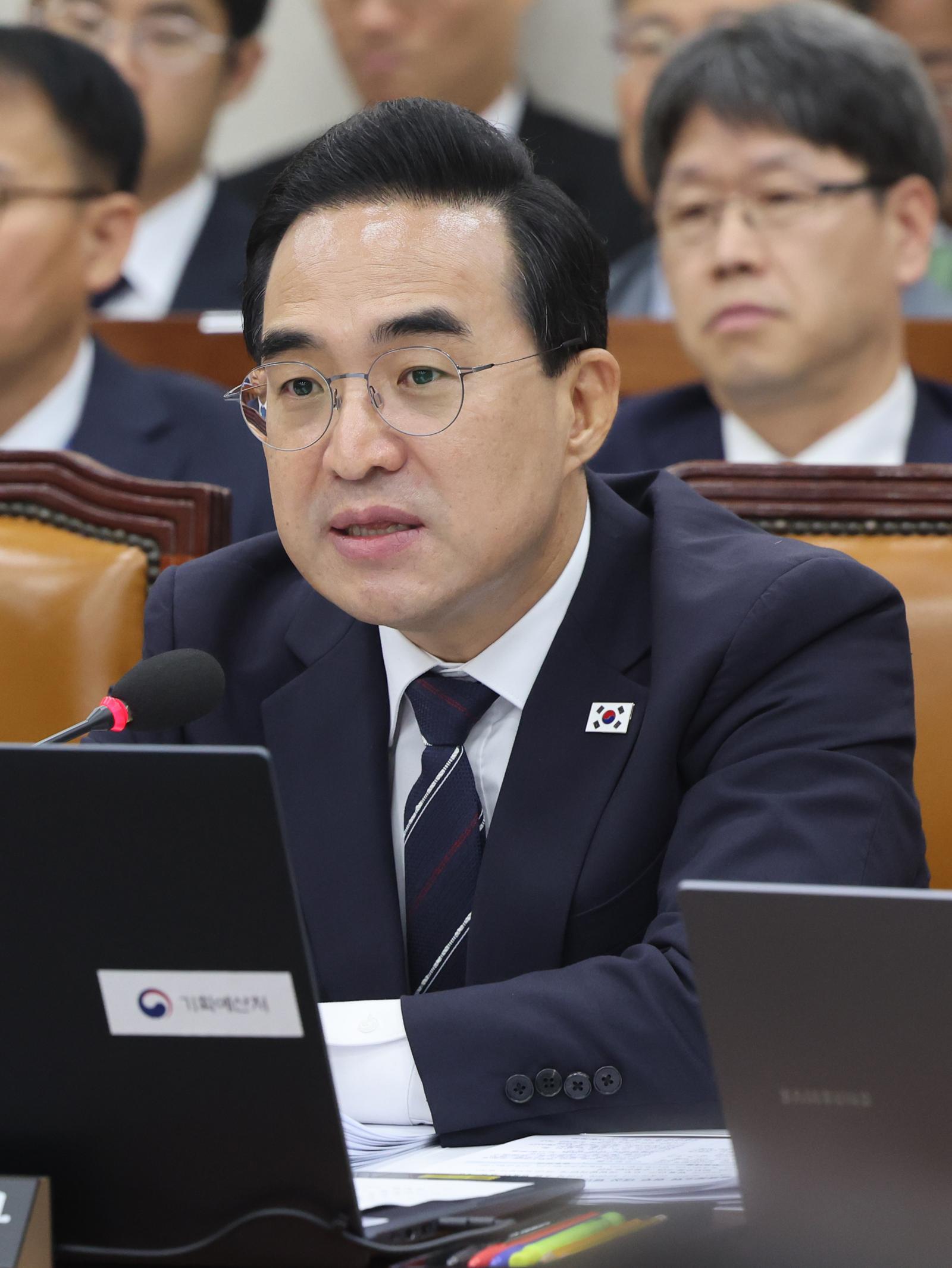
When asked about the core values that should guide national development strategies, the public prioritized "improving life stability and happiness," while young adults leaned towards "economic growth and strengthening industrial competitiveness." Similarly, in addressing labor market challenges, the public emphasized strengthening the social safety net, whereas young adults prioritized the creation of new jobs. Minister of Economy and Finance Park Hong-keun stated the government would design South Korea's future direction over the next 20 years, reflecting the expectations and concerns of younger generations.
We will design the direction South Korea will take in 20 years, reflecting the expectations and concerns of the next generation, including young people.
DistantNews Editorial
Originally published by Dong-A Ilbo in Korean. Translated, summarized, and contextualized by our editorial team with added local perspective. Read our editorial standards.
More Stories


From Our Blog

What Gets Lost (and Found) When News Is Translated

The Critical Role of Diaspora Media in Global News

What Travellers Should Know About Countries with Restricted Press

A Digital Nomad's Guide to Following Local News

How the Same Story Looks Different in Different Countries
